
 7.4
Movie

Directing
Jiang Yue
- Credits
- 18 titles
Biography
Jiang Yue (蒋樾, b. 1962) is a Chinese documentary filmmaker and one of the central figures of China’s New Documentary Movement. Born in Beijing, he graduated in 1988 from the Chinese Traditional Opera Academy (中国戏曲学院) with a degree in dramatic literature and screenwriting before joining the Beijing Film Studio, where he worked under director Huang Jianzhong and participated in productions including The Policeman of the Year of the Dragon (龙年警官) and The Spring Festival (过年).
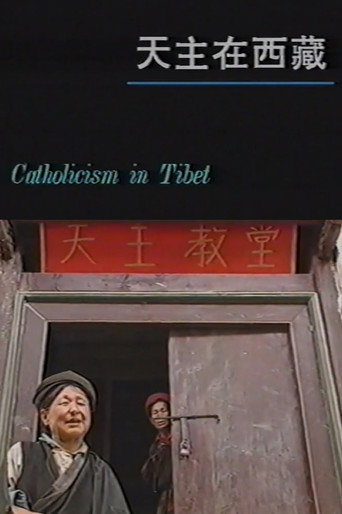
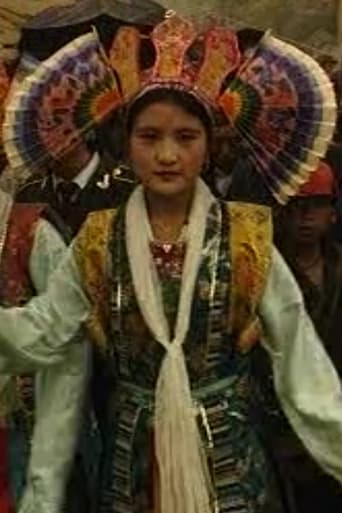
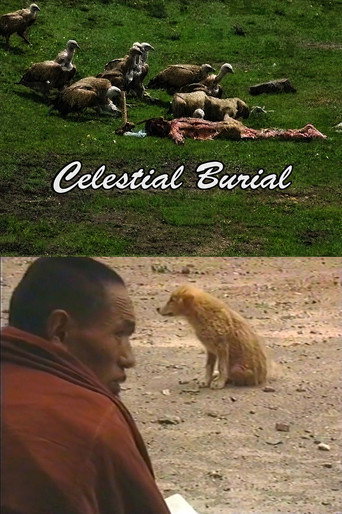
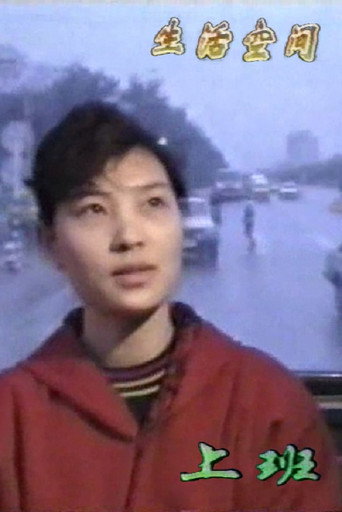
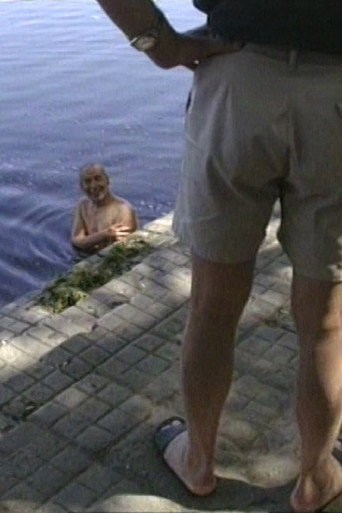
Beginning in the early 1990s, Jiang turned to independent documentary filmmaking, traveling to Tibet to direct or co-direct four documentary films: Lama Tibetan Opera Troupe (喇嘛藏戏团, 1991), Lhasa Snow Residents (拉萨雪居民, 1992), and Catholicism in Tibet (天主在西藏, 1992), and Celestial Burial (達木天葬台, co-directed with Wen Pulin, 1992). After returning to Beijing, he became associated with the influential television documentary program Oriental Horizon (东方时空) and its documentary sub-program Living Space (生活空间), helping pioneer a new observational documentary style in China through works such as Three Eastern Heroes (东方三侠), Opera Performers (票友), Going to Work (上班), and Miners (矿工).
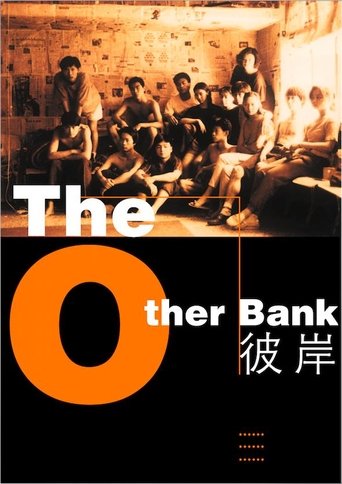
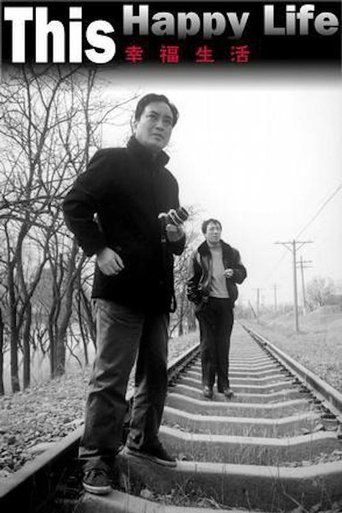
Jiang is particularly known for documentaries that examine the tensions between individual lives and broader historical and social transformations. His major works include The Other Bank (彼岸, 1995), A River Stilled (静止的河, 1998), Happy Life (幸福生活, 2000), War of Love (爱情战争, co-directed with Duan Jinchuan, 2002), and The Storm (暴风骤雨), a documentary investigation of land reform and historical memory in northeastern China. Critics and fellow filmmakers have frequently cited Jiang, alongside Wu Wenguang and Duan Jinchuan, as one of the most important pioneers of independent documentary practice in post-Mao China.
In 1998, Jiang co-founded the Memento Films (年年三畅影像工作室) with Kang Jianning and Duan Jinchuan, producing documentary projects for broadcasters including the BBC, ARTE, and China Central Television. Throughout his career, Jiang has emphasized documentary film as a means of preserving lived experience and historical memory, particularly the voices of ordinary people whose stories might otherwise disappear from the historical record.
Signature work
Known For
7.4
Movie
 4.0
Movie
The Other Bank
 10.0
Movie
Interesting Times: This Happy Life
 Movie
Sweat
 Movie
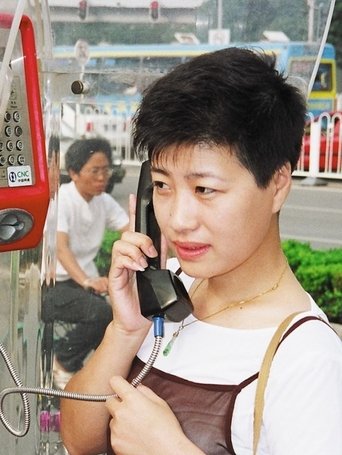
Catholicism in Tibet
 Movie
The War of Love
 Movie
The Great Earthquake
 Movie
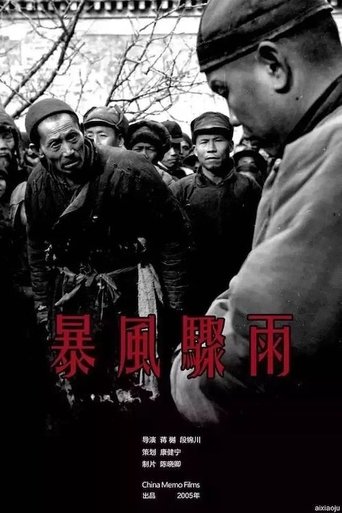
The Storm
 Movie
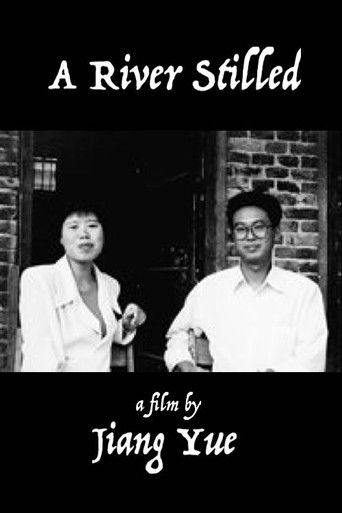
A River Stilled
 Movie
Theater Troupe of Lhama Priests
 Movie
The Residents of Lhasa's Potala Square
 Movie
Celestial Burial
 Movie
Going to Work
 Movie
Three Old Men from the East
 TV
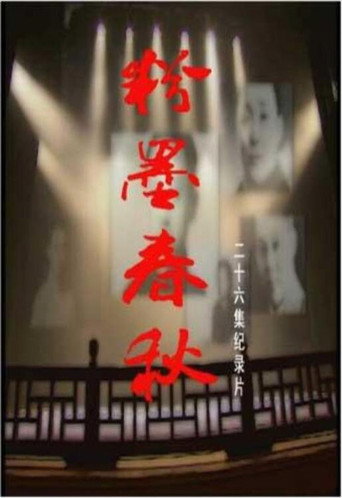
粉墨春秋
Acting credits 1
| Year | Title | Role |
|---|---|---|
| 2002 | Sweat Film | Four-eyes |
Crew credits 17
| Year | Title | Job |
|---|---|---|
| TBA | 粉墨春秋 TV | Director, Creator (1 ep) |
| 2005 | The Storm Film | Director |
| 2002 | The War of Love Film | Director |
| 2002 | Interesting Times: This Happy Life Film | Director |
| 1998 | A River Stilled Film | Director |
| 1995 | The Other Bank Film | Director |
| 1995 | The Story of the Three Gorges Film | Director |
| 1993 | Going to Work Film | Director |
| 1993 | Catholicism in Tibet Film | Director |
| 1993 | Celestial Burial Film | Director |
| 1993 | Three Old Men from the East Film | Director |
| 1993 | Miners Film | Director |
| 1993 | Opera Performers Film | Director |
| 1992 | The Residents of Lhasa's Potala Square Film | Director |
| 1991 | Theater Troupe of Lhama Priests Film | Director |
| 1991 | The Spring Festival Film | Assistant Director |
| 1989 | The Great Earthquake Film | Cinematography |