
 6.0
Movie
6.0
Movie
Directing
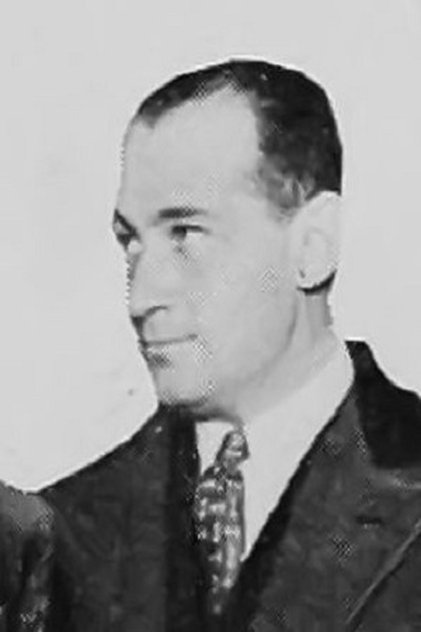
Lothar Mendes
- Born
- Died
- (aged 79)
- Birthplace
- Berlin, Germany
- Credits
- 26 titles
Biography
From Wikipedia, the free encyclopedia
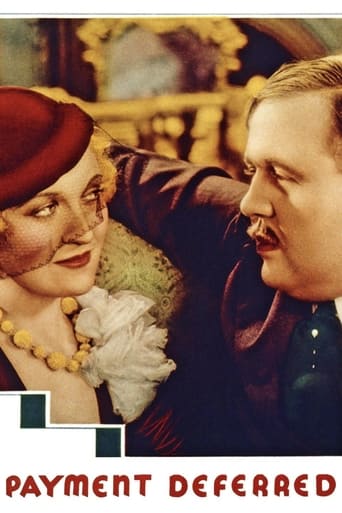
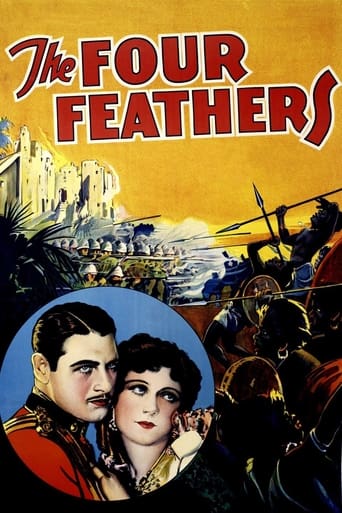
Lothar Mendes (19 May 1894 – 25 February 1974) was a German-born screenwriter and film director. who began his career as an actor in Vienna and Berlin in Max Reinhardt's famous troupe. He went to America in the early 1920s and there he remained until 1933, directing more than a dozen features, mostly frothy comedies, while under contract to Paramount. His films included the last silent film made in America, The Four Feathers (1929) and the murder mystery Payment Deferred (1933) starring British expatriate Charles Laughton.
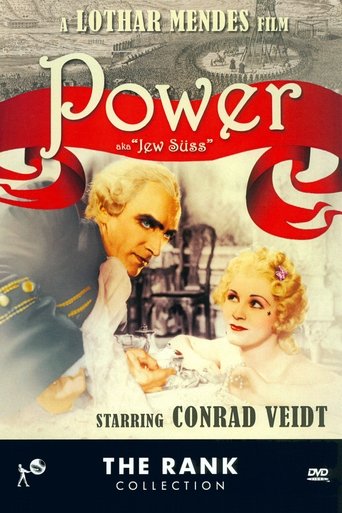
After Hitler ascended to power, Mendes travelled to Britain in 1934 to work at Gaumont-British Pictures, directing films with Sir Michael Balcon producing. Under that banner, he directed Jew Süss (1934) starring one of Germany's most famous emigre actors, Conrad Veidt. Mendes' Jew Suss is not to be confused with the later Nazi film of the same title (1940) which is a Reich-made, virulently anti-Semitic film that deliberately contorted the exiled German-Jewish writer, Lion Feuchtwanger's original novel of the same name, on which Mendes' film was based. Mendes' 1934 film version of Feuchtwanger's novel received strong notices at the time, and was considered an important and early film in exposing the origins of the violent anti-semitism of the then-newly empowered Nazi Party; in particular, it was praised by Albert Einstein and the Jewish American leader, Rabbi Stephen Wise, who encouraged its distribution in America under the title Power, though the film itself did not attract an audience in Depression America.
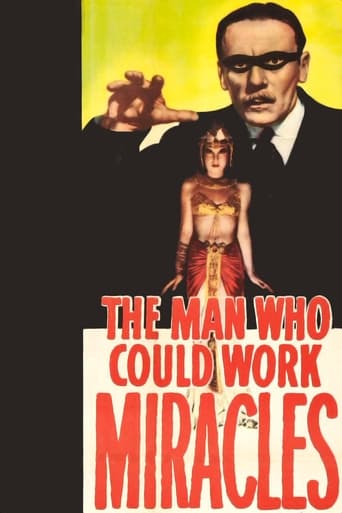
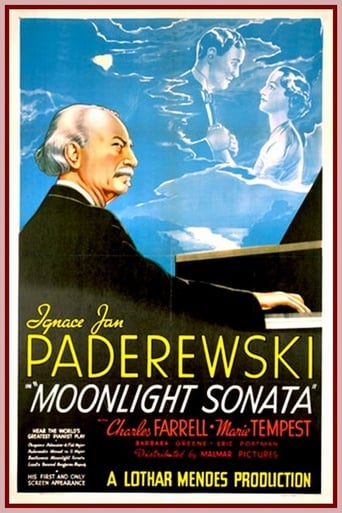
In 1936, Mendes directed his best-known film, the H.G. Wells short story, The Man Who Could Work Miracles (1936) starring Sir Ralph Richardson, for which Wells himself co-wrote the adaptation. His last British film was Moonlight Sonata aka The Charmer and starred the aging piano legend Paderewski as himself; it's notable for containing rare performance footage of the legendary pianist, then in exile from his native Nazi-occupied Poland.
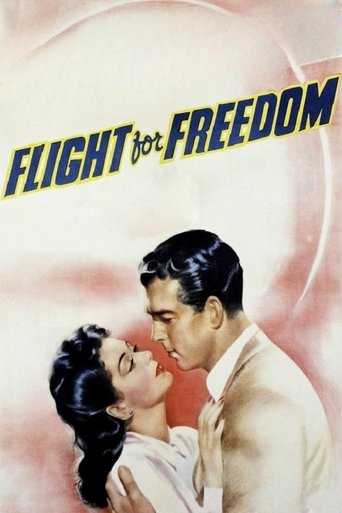
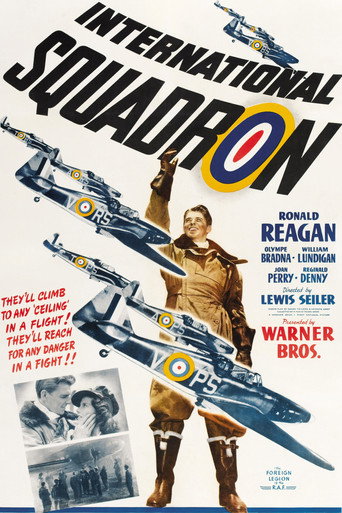
By 1941, Mendes had returned to Hollywood where he co-directed the pro-British International Squadron (1941), one of several films on the Eagle Squadron of American pilots who volunteered to fly in the Battle of Britain before the US entered the war. His last feature films were patriotic World War II fare with such stars as Rosalind Russell as a Navy reconnaissance pilot who must fly one more mission before getting married in Flight for Freedom (1943) and Edward G Robinson as a man who may or may not have married a spy in Tampico (1944). He retired from films in 1946, and the remaining decades of his life remain murky. "A competent, dependable director," comments film historian Larry Langman, "he never achieved the critical success in America that came to some of his compatriots."
Signature work
Known For
6.0
Movie
 5.7
Movie
5.7
Movie
Payment Deferred
 4.6
Movie
4.6
Movie
Ladies' Man
 6.6
Movie
6.6
Movie
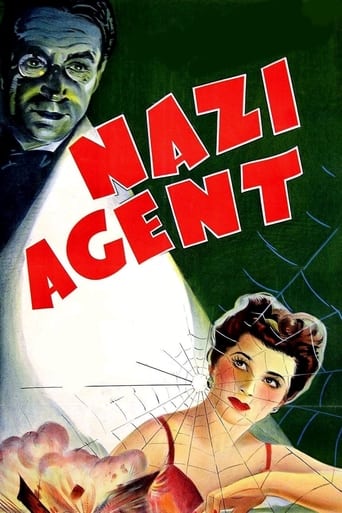
Nazi Agent
 5.9
Movie
5.9
Movie
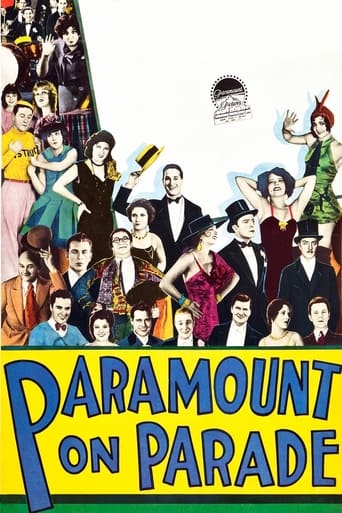
Paramount on Parade
 6.2
Movie
6.2
Movie
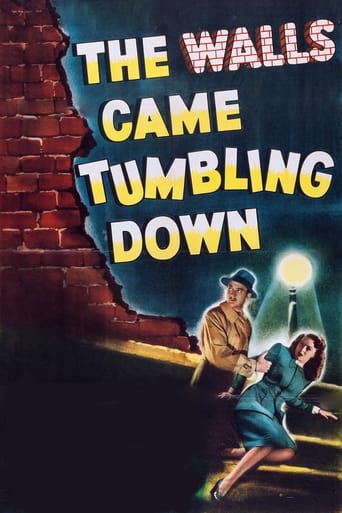
The Walls Came Tumbling Down
 5.0
Movie
5.0
Movie
The Four Feathers
 5.8
Movie
5.8
Movie
Flight for Freedom
 6.6
Movie
6.6
Movie
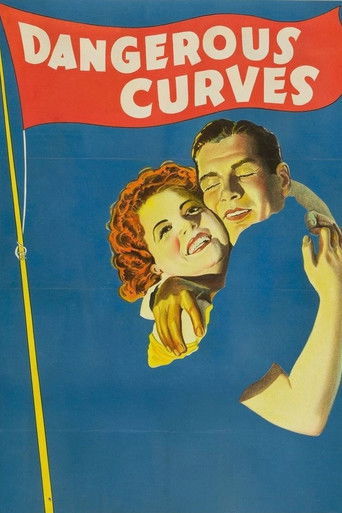
Dangerous Curves
 5.7
Movie
5.7
Movie
Jew Süss
 5.5
Movie
5.5
Movie
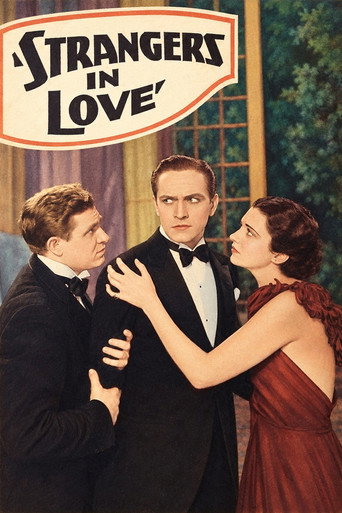
Strangers in Love
 6.0
Movie
6.0
Movie
The Marriage Playground
 7.6
Movie
7.6
Movie
Interference
 7.2
Movie
7.2
Movie
Luxury Liner
 6.7
Movie
6.7
Movie
Tampico
 6.3
Movie
6.3
Movie
International Squadron
 7.0
Movie
7.0
Movie
Moonlight Sonata
 8.0
Movie
8.0
Movie
Typhoon
Acting credits 2
| Year | Title | Role |
|---|---|---|
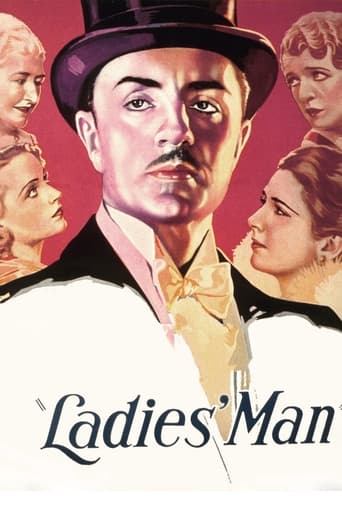
| 1931 | Ladies' Man Film | Lobby extra |
| 1918 | Typhoon Film |
Crew credits 25
| Year | Title | Job |
|---|---|---|
| 1946 | The Walls Came Tumbling Down Film | Director |
| 1944 | Tampico Film | Director |
| 1943 | Flight for Freedom Film | Director |
| 1942 | Nazi Agent Film | Story |
| 1941 | International Squadron Film | Director |
| 1937 | Moonlight Sonata Film | Director |
| 1936 | The Man Who Could Work Miracles Film | Director |
| 1934 | Jew Süss Film | Director |
| 1933 | Luxury Liner Film | Director |
| 1932 | Payment Deferred Film | Director |
| 1932 | Strangers in Love Film | Director |
| 1931 | Ladies' Man Film | Director |
| 1930 | Paramount on Parade Film | Director |
| 1929 | The Marriage Playground Film | Director |
| 1929 | Illusion Film | Director |
| 1929 | Dangerous Curves Film | Director |
| 1929 | The Four Feathers Film | Director |
| 1929 | Interference Film | Director |
| 1928 | The Street of Sin Film | Director |
| 1928 | A Night of Mystery Film | Director |
| 1926 | The Prince of Tempters Film | Director |
| 1926 | Love Is Blind Film | Director |
| 1926 | Adventure Mad Film | Director |
| 1924 | The Monk from Santarem Film | Director |
| 1923 | S.O.S. Die Insel der Tränen Film | Director |