
 7.0
Фильм
Режиссура
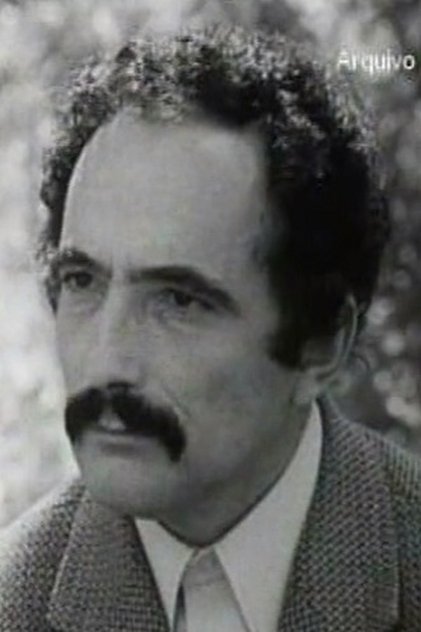
António Campos
- Дата рождения
- Дата смерти
- (в возрасте 76 лет)
- Место рождения
- Leiria, Portugal
- Создатели и актеры
- 19 наименований
Биография
António Campos (29 May 1922 – 8 March 1999) was one of the pioneer filmmakers of visual anthropology in Portugal. Mainly using pure documentary techniques, he shot ethnographic films and tried docufiction. As well as in fictional films, he used the methods of direct cinema to portray the life of ancient human communities (ethnofiction) of his country.
He started making films at the beginning of the sixties, at the same time as John Marshall (US) and Michel Brault (Canada). Without knowing much about Jean Rouch, he followed his steps in an original way.
He integrated a troupe of theater amateurs and worked at a state department office in Leiria. He got a grant from the Calouste Gulbenkian Foundation in 1961, where he worked between 1970 and 1976, to study cinema in London. He took part in the 20th Century Film Festival, in Kracow, Poland. He was the delegate in Portugal for the International Federation of Art Film and a member of the International Union of Independent Filmmakers (UNICI).
He started making films as an amateur. He shot ethnographic films with 16 mm light cameras and with no scientific purposes, like some of his Portuguese fellows, such as António Reis, Ricardo Costa or Pedro Costa, this one using small mini DV cameras, some years later. After the Carnation Revolution, he directed some theatrical fictional features in 35 mm, all with a strong anthropologic content. He was one of the representatives of the Portuguese Cinema Novo (or Novo Cinema), inspired by the French New Wave.
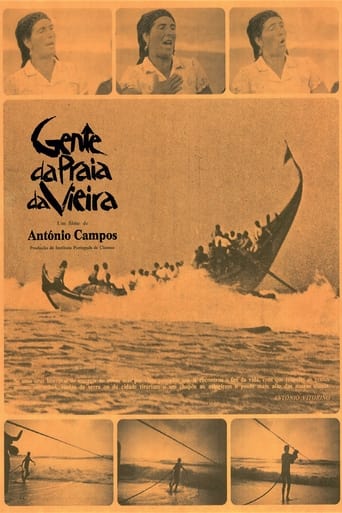
His film Gente da Praia da Vieira (People of Praia da Vieira), 1976, is, together with Trás-os-Montes, by António Reis and Margarida Cordeiro, and with Mau Tempo, Marés e Mudança (Changing Tides), by Ricardo Costa, one of the first docufictions of Portuguese cinema. Shot on the same year, these films, in the same genre, are preceded by Acto da Primavera (Act of Spring), 1962, by Manoel de Oliveira, and Ala-Arriba!, 1948, by José Leitão de Barros, a contemporary to Robert Flaherty. These films may also be classified as ethnofictions.
Известная работа
Известность за
7.0
Фильм
 5.7
Фильм
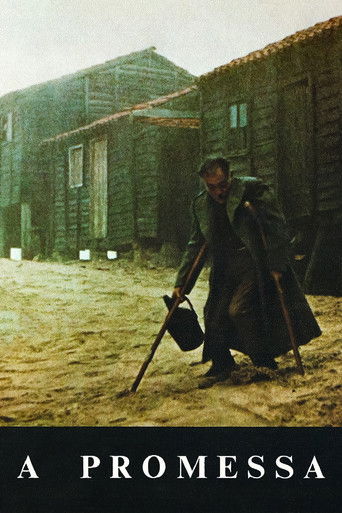
A Promessa
 5.7
Фильм
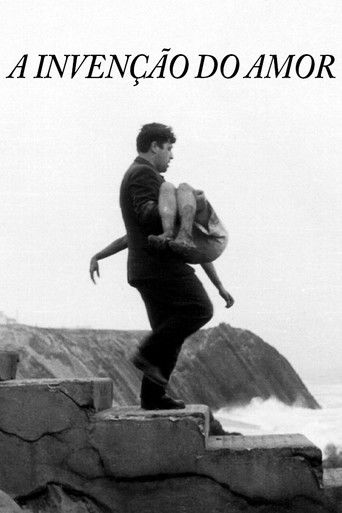
A Invenção do Amor
 5.5
Фильм
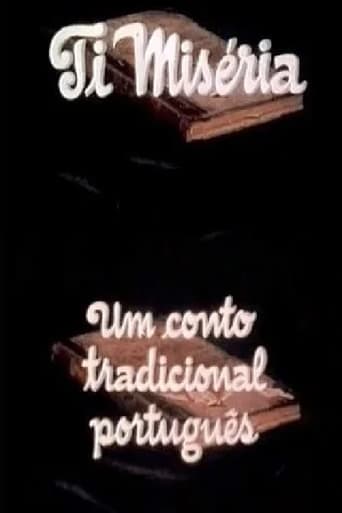
Ti Miséria
 4.0
Фильм
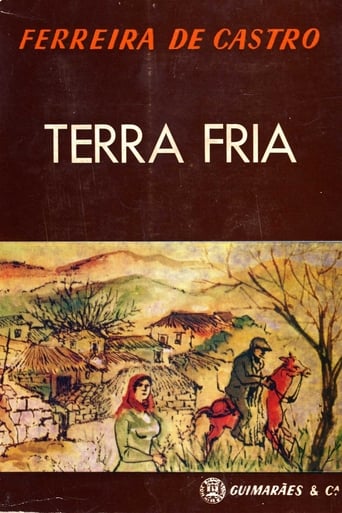
Terra Fria
 6.5
Фильм
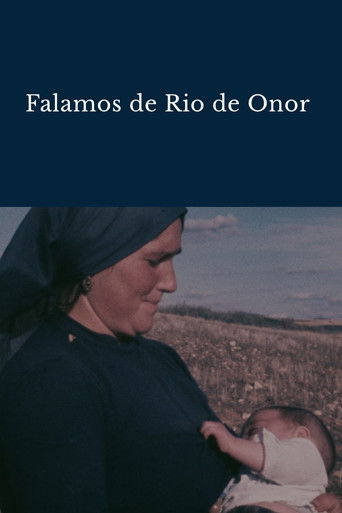
Falamos de Rio de Onor
 8.5
Фильм
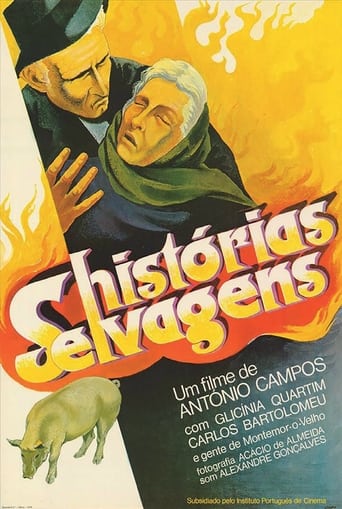
Histórias Selvagens
 9.0
Фильм
Gente da Praia da Vieira
 7.0
Фильм
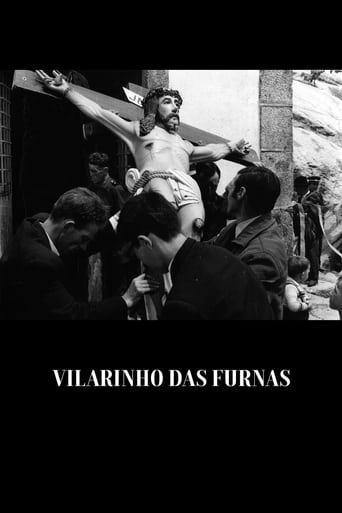
Vilarinho das Furnas
 10.0
Фильм
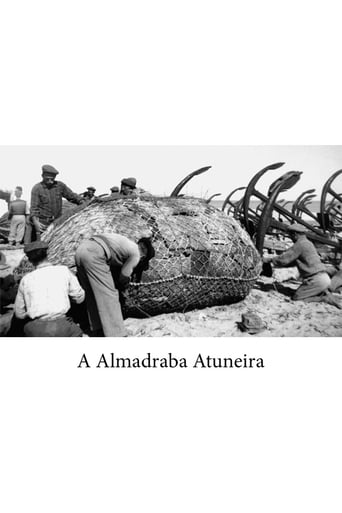
A Almadraba Atuneira
 9.0
Фильм
O Senhor
 7.0
Фильм
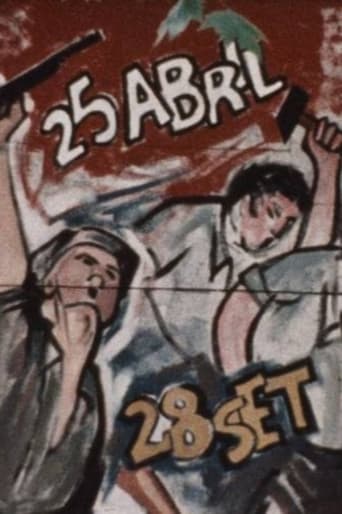
Paredes Pintadas da Revolução Portuguesa
 10.0
Фильм
Um Tesoiro
Фильмография 1
| Год | Название | Роль |
|---|---|---|
| 2009 | Falamos de António Campos Фильм | Himself (archive footage) |
Съемочная группа 18
| Год | Название | Должность |
|---|---|---|
| 1993 | A Tremonha de Cristal Фильм | Director |
| 1992 | Terra Fria Фильм | Screenplay, Director |
| 1979 | Ti Miséria Фильм | Director, Screenplay |
| 1978 | Histórias Selvagens Фильм | Director, Writer |
| 1976 | Gente da Praia da Vieira Фильм | Director |
| 1976 | Paredes Pintadas da Revolução Portuguesa Фильм | Director of Photography |
| 1975 | A Festa Фильм | Director |
| 1974 | Falamos de Rio de Onor Фильм | Writer, Editor, Director, Producer |
| 1973 | A Promessa Фильм | Location Scout |
| 1971 | Vilarinho das Furnas Фильм | Director, Writer, Producer, Director of Photography, Editor, Sound Recordist |
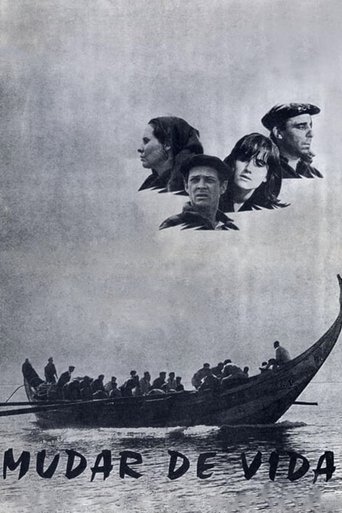
| 1967 | Mudar de Vida Фильм | Assistant Director |
| 1967 | Chagall - Breve a Lua, Lua Cheia, Virá Aparecer Фильм | Director |
| 1966 | A Invenção do Amor Фильм | Director, Director of Photography, Producer, Writer, Editor |
| 1965 | Retratos dos das Margens do Rio Lis Фильм | Director |
| 1961 | A Almadraba Atuneira Фильм | Director, Producer, Director of Photography, Editor, Writer, Sound |
| 1960 | Leiria 1960 Фильм | Editor, Director of Photography |
| 1959 | O Senhor Фильм | Director of Photography, Editor, Writer |
| 1958 | Um Tesoiro Фильм | Director |