
 7.8
TV

Atuação
Gil Evans
- Nascimento
- Falecimento
- (com 75 anos)
- Local de nascimento
- Toronto, Ontario, Canada
- Créditos
- 9 títulos
Biografia
Ian Ernest Gilmore Evans (né Green; May 13, 1912 – March 20, 1988) was a Canadian–American jazz pianist, arranger, composer and bandleader. He is widely recognized as one of the greatest orchestrators in jazz, playing an important role in the development of cool jazz, modal jazz, free jazz, and jazz fusion. He is best known for his acclaimed collaborations with Miles Davis.
Evans became interested in music at an early age, listening to Duke Ellington, Louis Armstrong, and Fletcher Henderson on the radio and on records. He studied the piano and began learning how to arrange music, and started picking up jobs with local musicians. While in college, he founded his first band, which performed his arrangements, and which became the house band at the Rendezvous Ballroom in Balboa Beach, California, in 1935. The band toured the Pacific Northwest in 1937 and eventually settled in Hollywood, where they regularly performed on Bob Hope's radio show. Evans's arrangements from this time showed the influence of classical music, and included instruments such as French horns, flutes, and tubas. In 1939, Claude Thornhill was hired for Hope's show, and he became a major influence on Evans.
Evans remained a Canadian citizen until he entered the US Army during the second World War. After 1946, he lived and worked primarily in New York City, living for many years at Westbeth Artists Community.
Between 1941 and 1948, Evans worked as an arranger for the Claude Thornhill Orchestra. Even then, early in his career, his arrangements were such a challenge to musicians that bassist Bill Crow recalled that bandleader Thornhill would bring out Evans's arrangements "when he wanted to punish the band." Evans's modest basement apartment behind a New York City Chinese laundry soon became a meeting place for musicians looking to develop new musical styles outside of the dominant bebop style of the day. Those present included the leading bebop performer, Charlie Parker, as well as Gerry Mulligan and John Carisi.
In 1948, Evans, with Miles Davis, Mulligan, and others, collaborated on a band book for a nonet. These ensembles, larger than the trio-to-quintet combos, but smaller than big bands which were on the brink of economic unviability, allowed arrangers to have a larger palette of colors by using French horns and tuba. Claude Thornhill had employed hornist John Graas in 1942, and composer-arranger Bob Graettinger had scored for horns and tubas with the Stan Kenton orchestra, but the "Kenton sound" was in the context of a dense orchestral wall of sound that Evans avoided. The Miles Davis-led group was booked for a week at the Royal Roost as an intermission group on the bill with the Count Basie Orchestra. Capitol Records recorded 12 numbers by the nonet at three sessions in 1949 and 1950. These recordings were reissued on a 1957 Miles Davis LP titled Birth of the Cool.
Obra principal
Conhecido(a) por
Créditos de atuação 4
| Ano | Título | Papel |
|---|---|---|
| 2019 | Miles Davis, Inventor do Cool Filme | Self - Music Arranger (archive footage) |
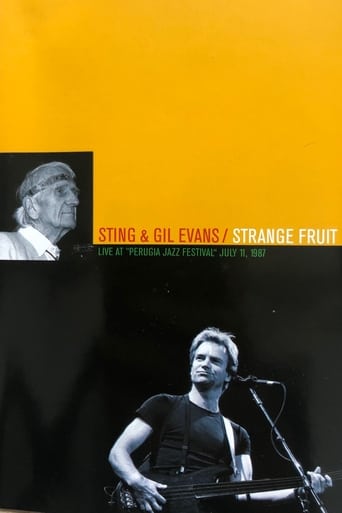
| 1987 | Sting and Gil Evans: Strange Fruit Filme | Self - Piano |
| 1976 | Gil Evans Orchestra - Berliner Jazztage 1976 Filme | Self |
| 1959 | A Musica de Miles Davis Filme | Himself |
Créditos da equipe técnica 5
| Ano | Título | Função |
|---|---|---|
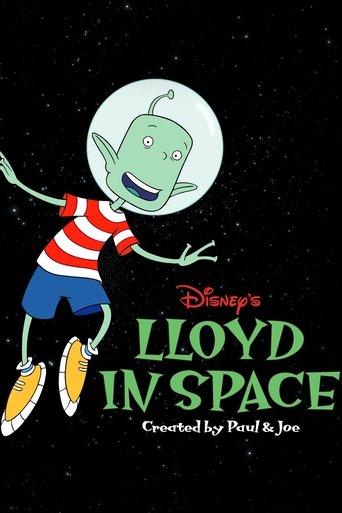
| 2001 | Lloyd no Espaço TV | Story (1 ep.) |
| 1997 | Hora do Recreio TV | Writer (1 ep.) |
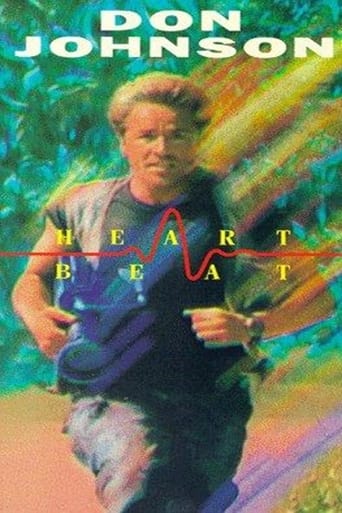
| 1987 | Heartbeat Filme | Writer |
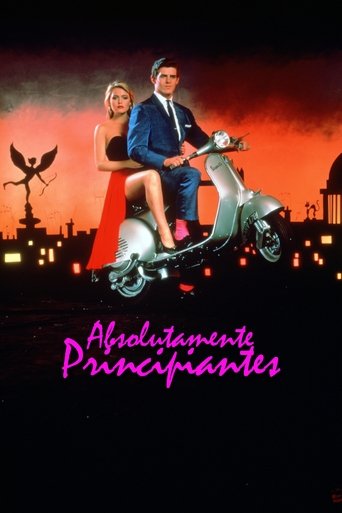
| 1986 | Absolutamente Principiantes Filme | Music Arranger, Conductor |
| 1968 | Dage i min fars hus Filme | Music |