
 8.2
Film
Reżyseria
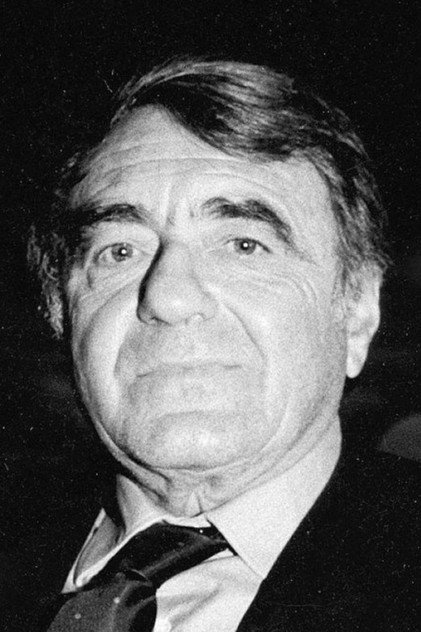
Claude Lanzmann
- Urodzony/a
- Zmarł(a)
- (w wieku 92 lat)
- Miejsce urodzenia
- Paris, Ile-de-France, France
- Obsada i ekipa
- 29 tytułów
Biografia
Claude Lanzmann (27 November 1925 – 5 July 2018) was a French filmmaker known for the Holocaust documentary film Shoah (1985).
Lanzmann was born on 27 November 1925 in Paris, France, the son of Paulette (née Grobermann) and Armand Lanzmann. His family was Jewish, and had immigrated to France from The Russian Empire. He was the brother of writer Jacques Lanzmann. Lanzmann attended the Lycée Blaise-Pascal in Clermont-Ferrand. While his family disguised their identity and went into hiding during World War II, he joined the French resistance at the age of 17, along with his father and brother, and fought in Auvergne. Lanzmann opposed the French war in Algeria and signed the 1960 antiwar petition Manifesto of the 121.
Lanzmann was the chief editor of the journal Les Temps Modernes, founded by Jean-Paul Sartre and Simone de Beauvoir, and lecturer at the European Graduate School in Saas-Fee, Switzerland. In 2009 he published his memoirs under the title Le lièvre de Patagonie ("The Patagonian Hare").
Lanzmann's most renowned work, Shoah (1985), is a nine-and-a-half-hour oral history of the Holocaust. Shoah is made without the use of any historical footage, and uses only first-person testimony from perpetrators and victims, and contemporary footage of Holocaust-related sites. Interviewees include the Polish resistance fighter Jan Karski and the American Holocaust historian Raul Hilberg. When the film was released, the director also published the complete text, including in English translation, with introductions by Lanzmann and Simone de Beauvoir.
Lanzmann disagreed, sometimes angrily, with attempts to understand the why of Hitler, stating that the evil of Hitler cannot or should not be explained and that to do so is immoral and an obscenity.
Lanzmann also oftentimes pushed his subjects to extreme emotional limits to bring out the most authentic reactions for his audience. The interview with barber Abraham Bomba is a staple of a Claude Lanzmann interview.
A compilation of "Shoah: Unseen Interviews" was released in 2012 that included interviews filmed at the time of the original production but never made it into the film.
On 4 July 2018, his last work, Les Quatre Soeurs (Shoah: Four Sisters) was released, featuring testimonials from four Holocaust survivors not included in his Shoah. Lanzmann died the following day.
From 1952 to 1959, he lived with Simone de Beauvoir. In 1963 he married French actress Judith Magre. They divorced in 1971, and he later married Angelika Schrobsdorff, a German-Jewish writer. He divorced a second time, and was the father of Angélique Lanzmann and Félix Lanzmann. Claude Lanzmann died on 5 July 2018 at his Paris home, after having been ill for several days. He was 92.
Source: Article "Claude Lanzmann" from Wikipedia in English, licensed under CC-BY-SA 3.0.
Najważniejsze dzieło
Znany/a z
8.2
Film
 6.6
Film
Le Dernier des Injustes
 6.5
Film
Sobibor, 14 Octobre 1943, 16 Heures
 6.2
Film
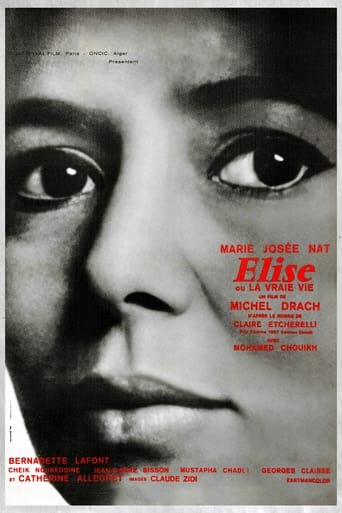
Élise ou la vraie vie
 6.4
Film
Le rapport Karski
 6.6
Film
Un vivant qui passe
 5.2
Film
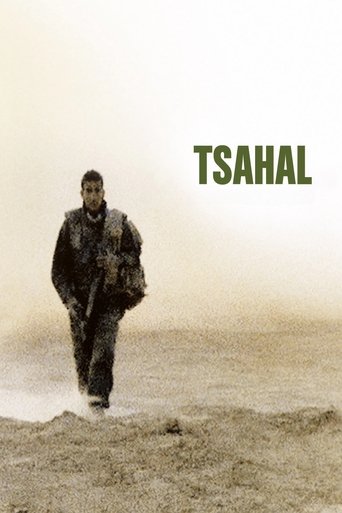
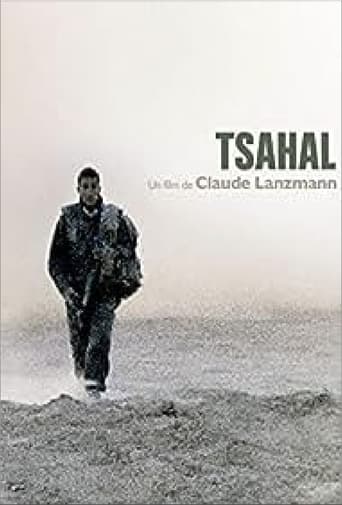
Tsahal
 6.6
Film
Les Quatre Sœurs
 4.9
Film
Napalm
 6.7
Film
Pourquoi Israël
 8.0
TV
Les quatre soeurs
 8.0
Film
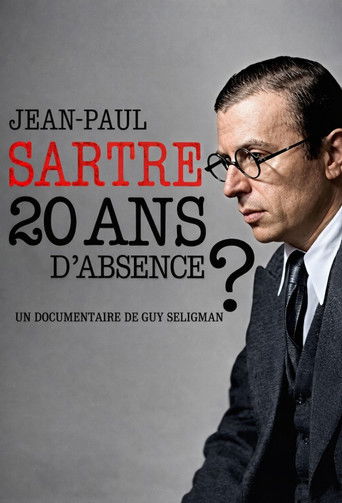
Jean-Paul Sartre - A 20 Year Absence?
 Film
Lights and Shadows
 Film
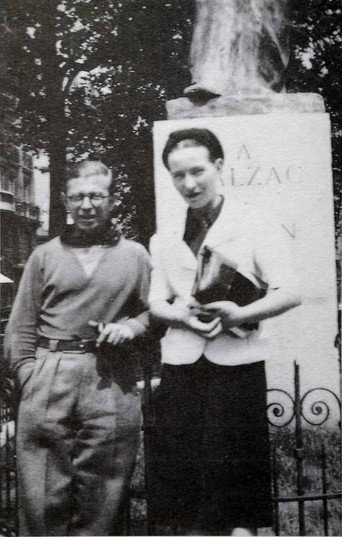
Jean-Paul Sartre et Simone de Beauvoir
Dorobek aktorski 28
| Rok | Tytuł | Rola |
|---|---|---|
| TBA | Jean-Paul Sartre - A 20 Year Absence? Film | Claude Lanzmann |
| TBA | Jean-Paul Sartre et Simone de Beauvoir Film | Self - Interviewer |
| 2025 | Nie miałem nic poza pustką. Shoah Lanzmanna Film | Self (archive footage) |
| 2019 | We Shall Not Die Now Film | Self (archive footage) |
| 2019 | Un Filósofo en la Arena Film | Self |
| 2018 | Ziva Postec. La monteuse derrière le film Shoah Film | Self (archive footage) |
| 2018 | Les Quatre Sœurs Film | Self - Interviewer |
| 2018 | Les quatre soeurs TV | Self - Interviewer (4 odc.) |
| 2017 | Napalm Film | Self |
| 2016 | Der Clown Film | Self |
| 2015 | Claude Lanzmann: Spectres of the Shoah Film | Self |
| 2013 | Le Dernier des Injustes Film | Self - Interviewer |
| 2013 | Claude Lanzmann "On Shoah": A Conversation with Serge Toubiana Film | himself |
| 2012 | 28 minutes TV | Self (2 odc.) |
| 2011 | Shoah: The Unseen Interviews Film | Self - Interviewer |
| 2010 | Le rapport Karski Film | Self - Interviewer |
| 2008 | Lights and Shadows Film | Self - Interviewer |
| 2004 | Kulturplatz TV | Self (1 odc.) |
| 2002 | NDR Kultur – Das Journal TV | Self (1 odc.) |
| 2001 | Sobibor, 14 Octobre 1943, 16 Heures Film | Self - Interviewer |
| 1999 | Un vivant qui passe Film | Self - Interviewer |
| 1994 | Tsahal Film | Self - Interviewer |
| 1988 | Hôtel Terminus: The Life and Times of Klaus Barbie Film | Self |
| 1985 | Shoah Film | Self - Interviewer |
| 1975 | Apostrophes TV | Self (1 odc.) |
| 1973 | Pourquoi Israël Film | Self - Interviewer |
| 1970 | Delphine Seyrig Film | |
| 1964 | Grimme-Preis TV | Self (1 odc.) |
Ekipa 14
| Rok | Tytuł | Funkcja |
|---|---|---|
| 2018 | Les Quatre Sœurs Film | Director, Writer |
| 2018 | Les quatre soeurs TV | Director, Writer, Creator (4 odc.) |
| 2017 | Napalm Film | Director, Writer |
| 2013 | Le Dernier des Injustes Film | Director, Writer |
| 2013 | Claude Lanzmann "On Shoah": A Conversation with Serge Toubiana Film | Thanks |
| 2011 | Shoah: The Unseen Interviews Film | Director |
| 2010 | Le rapport Karski Film | Director, Writer |
| 2008 | Lights and Shadows Film | Director, Writer |
| 2001 | Sobibor, 14 Octobre 1943, 16 Heures Film | Director, Writer |
| 1999 | Un vivant qui passe Film | Director, Writer, Producer |
| 1994 | Tsahal Film | Director, Writer |
| 1985 | Shoah Film | Director |
| 1973 | Pourquoi Israël Film | Director, Writer |
| 1970 | Élise ou la vraie vie Film | Writer |