
 8.2
영화
연출
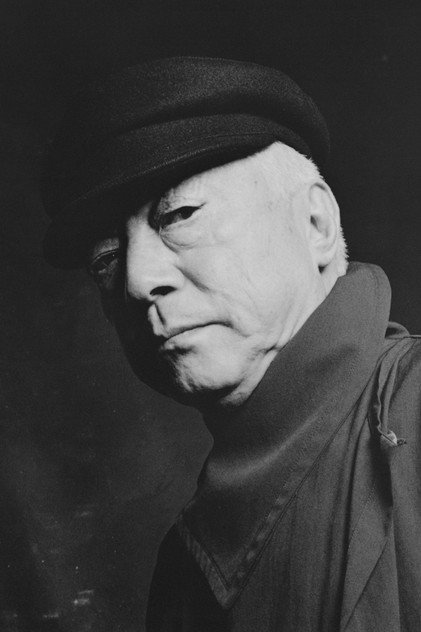
勅使河原宏
- 출생
- 사망
- (나이 74세)
- 출생지
- Chiyoda, Tokyo, Japan
- 크레딧
- 작품 32개
약력
Hiroshi Teshigahara (January 28, 1927 – April 14, 2001) was an avant-garde Japanese filmmaker.
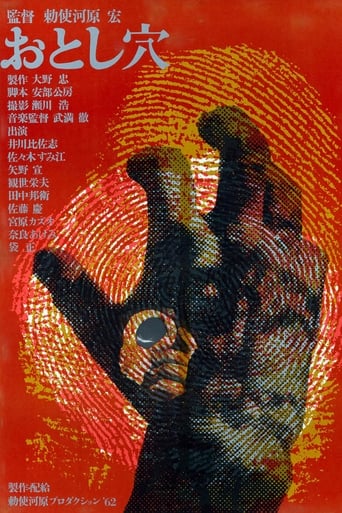
He was born in Tokyo, son of Sofu Teshigahara, founder and grand master of the Sogetsu School of ikebana. He graduated in 1950 from the Tokyo National University of Fine Arts and Music and began working in documentary film. He directed his first feature film, Pitfall (1962), in collaboration with author Kōbō Abe and musician Tōru Takemitsu. The film won the NHK New Director's award, and throughout the 1960s, he continued to collaborate on films with Abe and Takemitsu while simultaneously pursuing his interest in ikebana and sculpture on a professional level.
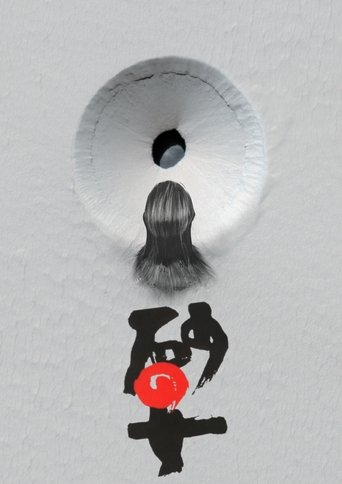
In 1965, the Teshigahara/Abe film Woman in the Dunes (1964) was nominated for an Academy Award and won the Special Jury Prize at the Cannes Film Festival. In 1972, he worked with Japanese researcher and translator John Nathan to make the movie Summer Soldiers, a film set during the Vietnam War about American deserters living on the fringe of Japanese society.
From the mid-1970s onwards, he worked less frequently on feature films as he concentrated more on documentaries, exhibitions and the Sogetsu School and became grand master of the school in 1980.
In 1978, Teshigahara Hiroshi directed the final two episodes of the long running and popular Japanese television series Shin Zatouichi, starring Shintarō Katsu as the blind wandering Yakuza. During Akira Kurosawa's 5 year hiatus from filmmaking, he watched a lot of television and was particularly taken by the final episode of Shin Zatouichi - Episode: Journey of Dreams (1978). The influence of this particular episode included the initial casting of Shintaro Katsu in the lead roles in Kagemusha and the extended artistic dream sequences contributed to those seen in Kagemusha (1980).
On the first anniversary of his death, April 14, 2002, a DVD box set containing his best known work was released in Japan in commemoration.
대표작
대표작



출연작 2
| 연도 | 제목 | 역할 |
|---|---|---|
| 1992 | Dream Window: Reflections on the Japanese Garden 영화 | |
| 1958 | 有楽町0番地 영화 | Ryoji (Poet) |
제작진 크레딧 31
| 연도 | 제목 | 직책 |
|---|---|---|
| 1992 | 바사라: 고히메 영화 | Director, Writer |
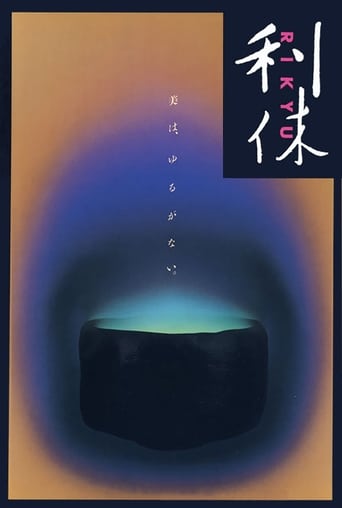
| 1989 | 리큐 영화 | Director, Writer |
| 1985 | Basara no Hana (Flowers of Extravagance) 영화 | Director |
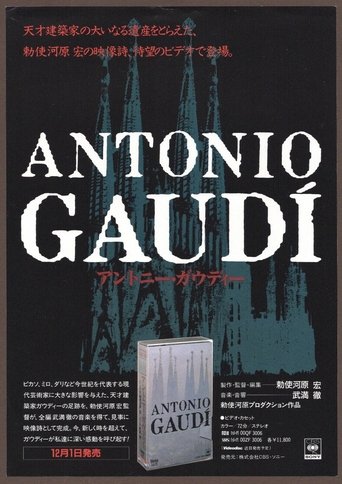
| 1984 | 안토니오 가우디 영화 | Director, Executive Producer, Editor |
| 1981 | 動く彫刻 ジャン・ティンゲリー 영화 | Director |
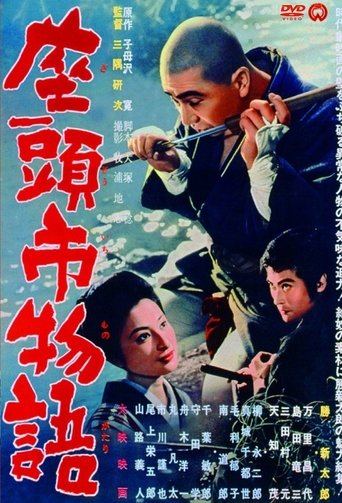
| 1974 | 座頭市物語 TV | Director, Writer (2개 에피소드) |
| 1972 | サマー・ソルジャー 영화 | Director, Director of Photography |
| 1970 | 1日240時間 영화 | Director |
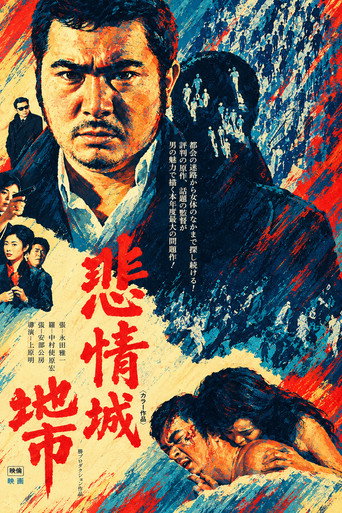
| 1968 | 燃えつきた地図 영화 | Director |
| 1967 | 爆走 영화 | Director |
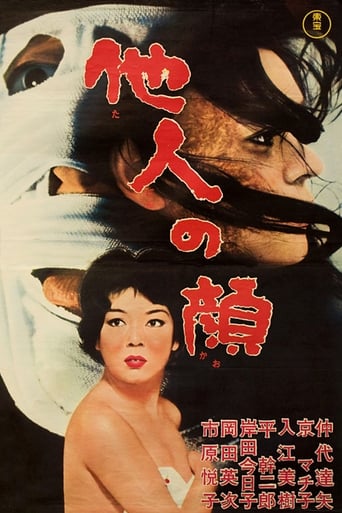
| 1966 | 타인의 얼굴 영화 | Director |
| 1965 | Jose Torres II 영화 | Director |
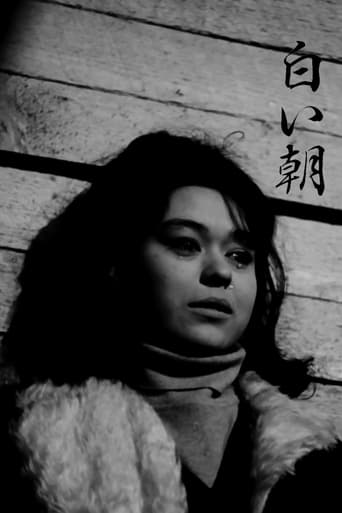
| 1964 | 白い朝 영화 | Director, Writer |
| 1964 | La fleur de l'âge, ou Les adolescentes 영화 | Director |
| 1964 | 모래의 여자 영화 | Director |
| 1962 | おとし穴 영화 | Director |
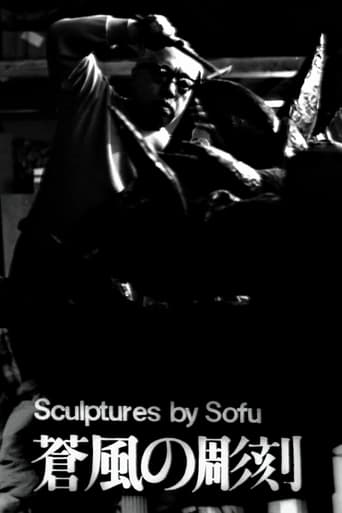
| 1962 | 蒼風の彫刻 영화 | Director |
| 1959 | Jose Torres 영화 | Director, Director of Photography |
| 1959 | Gaudi, Catalunya 영화 | Director |
| 1959 | ドラムと少年 영화 | Director |
| 1958 | 有楽町0番地 영화 | Screenplay |
| 1958 | 海は生きている 영화 | Production Design |
| 1958 | 東京1958 영화 | Director, Screenplay, Producer, Editor |
| 1958 | 荒海に生きる―マグロ漁民の生態 영화 | Cinematography |
| 1957 | 世界は恐怖する―死の灰の正体 영화 | Co-Director |
| 1957 | いけばな 영화 | Director |
| 1957 | 流血の記録・砂川 영화 | Cinematography |
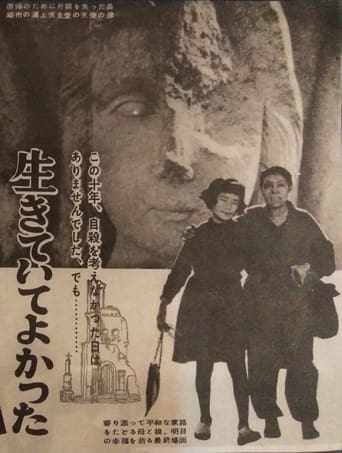
| 1956 | 生きていてよかった 영화 | Co-Director |
| 1955 | 砂川の人々・麦死なず 영화 | Editor |
| 1955 | 十二人の写真家 영화 | Director |
| 1953 | 北斎 영화 | Director, Associate Producer |