
 7.6
영화

연출
谷口千吉
- 출생
- 사망
- (나이 95세)
- 출생지
- Tokyo, Japan
- 크레딧
- 작품 47개
약력
From Wikipedia, the free encyclopedia.
Senkichi Taniguchi (February 19, 1912 – October 29, 2007) was a Japanese film director and screenwriter.
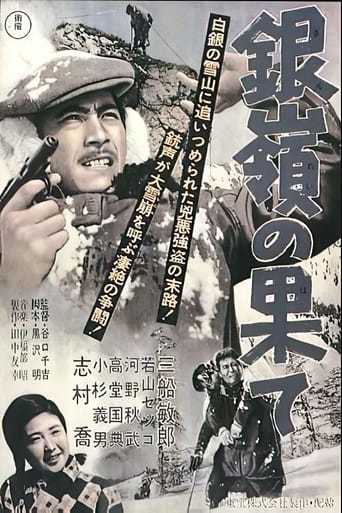
Born in Tokyo, Japan, he attended Waseda University but left before graduating due to his involvement in a left-wing theater troupe. He joined P.C.L. (a precursor to Toho) in 1933 and began working as an assistant director to Kajirō Yamaguchi alongside his longtime friend, acclaimed Japanese filmmaker, Akira Kurosawa. He made his feature film directing debut in 1947 with Snow Trail, which was written by Kurosawa. Snow Trial starred Toshirō Mifune in his film debut and actress Setsuko Wakayama. It helped establish Taniguchi's reputation for action film.
Taniguchi and Wakayama married in 1949 (he had earlier been married to the screenwriter Yōko Mizuki), but the couple divorced in 1956. Taniguchi married his second wife, actress Kaoru Yachigusa, in 1957. Yachigusa and Taniguchi remained together for over fifty years until his death in 2007.
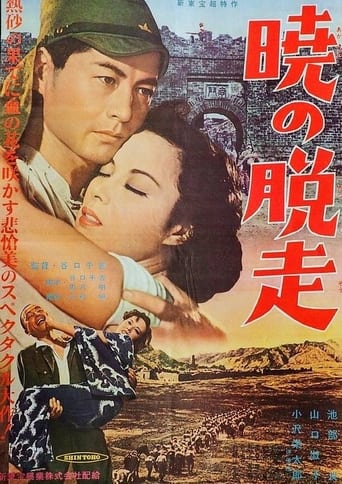
Taniguchi was the screenwriter for the 1949 film, The Quiet Duel, which Kurosawa directed and which also starred Mifune. His most acclaimed film as a director was Escape at Dawn, a controversial anti-war work from 1950 about a Japanese soldier and a "comfort woman" that got into trouble with Occupation era censors. Taniguchi continued to direct movies throughout the 1950s and 1960s, but the quality of his work declined. His films from the time period include Man Against Man, The Gambling Samurai, Man In The Storm and The Lost World of Sinbad. His 1965 film International Secret Police: Key of Keys has been famously re-dubbed and re-released as What's Up, Tiger Lily? by Woody Allen. He was chosen as the supervising director of the official documentary of Expo '70.
Senkichi Taniguchi died of pneumonia at a hospital in Tokyo, Japan, on October 29, 2007, at the age of 95.
Description above from the Wikipedia article Senkichi Taniguchi, licensed under CC-BY-SA, full list of contributors on Wikipedia
대표작
대표작






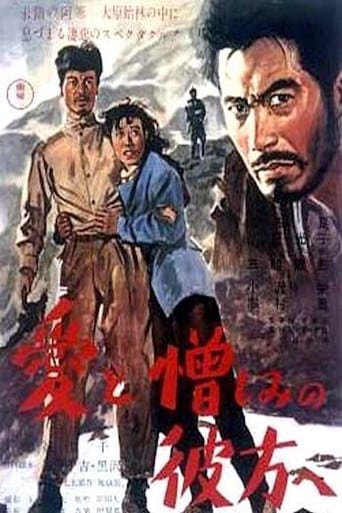
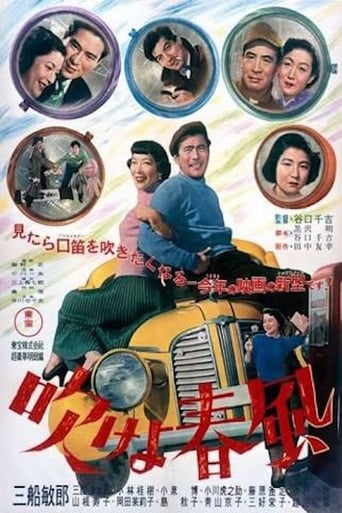
출연작 2
| 연도 | 제목 | 역할 |
|---|---|---|
| 1999 | Kurosawa: The Last Emperor 영화 | Self - Childhood Friend |
| 1952 | 金の卵 영화 |
제작진 크레딧 45
| 연도 | 제목 | 직책 |
|---|---|---|
| 1984 | SF交響ファンタジー:ゴジラファンタジー 영화 | Director |
| 1971 | 公式長編記録映画 日本万国博 영화 | Director |
| 1968 | カモとねぎ 영화 | Director |
| 1967 | 国際秘密警察 絶体絶命 영화 | Director |
| 1966 | What's Up, Tiger Lily? 영화 | Director |
| 1966 | 奇巌城の冒険 영화 | Director |
| 1965 | 馬鹿と鋏 영화 | Director |
| 1965 | 国際秘密警察 鍵の鍵 영화 | Director |
| 1965 | 도쿄 올림픽 영화 | Associate Producer |
| 1964 | ジャコ萬と鉄 영화 | Screenplay |
| 1963 | 大盗賊 영화 | Director |
| 1963 | 独立機関銃隊未だ射撃中 영화 | Director |
| 1962 | やま猫作戦 영화 | Director |
| 1962 | 紅の空 영화 | Director |
| 1961 | 紅の海 영화 | Director |
| 1960 | 男対男 영화 | Director |
| 1960 | 国定忠治 영화 | Director |
| 1957 | 遙かなる男 영화 | Director, Adaptation |
| 1957 | 最後の脱走 영화 | Director |
| 1957 | 妻こそわが命 영화 | Screenplay |
| 1957 | 嵐の中の男 영화 | Director, Writer |
| 1956 | 裸足の青春 영화 | Director |
| 1956 | 不良少年 영화 | Director |
| 1956 | 黒帯三国志 영화 | Director, Writer |
| 1956 | 乱菊物語 영화 | Director |
| 1955 | 33号車應答なし 영화 | Director, Screenplay |
| 1954 | 潮騒 영화 | Director, Writer |
| 1953 | 赤線基地 영화 | Director, Screenplay |
| 1953 | 夜の終り 영화 | Director |
| 1953 | 吹けよ春風 영화 | Screenplay, Director |
| 1952 | 激流 영화 | Director, Screenplay |
| 1952 | 霧笛 영화 | Screenplay, Director |
| 1951 | 誰が私を裁くのか 영화 | Director |
| 1951 | 愛と憎しみの彼方へ 영화 | Director, Screenplay |
| 1950 | 魔の黄金 영화 | Director, Writer |
| 1950 | 새벽의 탈주 영화 | Director, Screenplay |
| 1949 | 들개 영화 | Associate Producer |
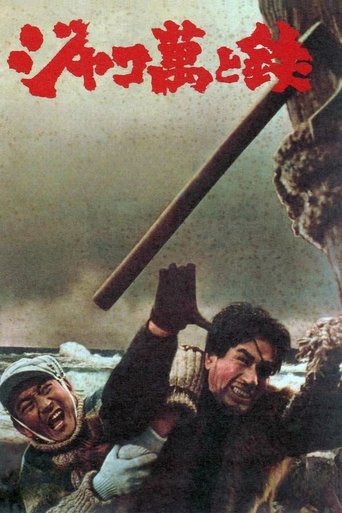
| 1949 | ジャコ萬と鉄 영화 | Writer, Director |
| 1949 | 조용한 결투 영화 | Writer |
| 1947 | 은령의 끝 영화 | Director, Writer, Editor |
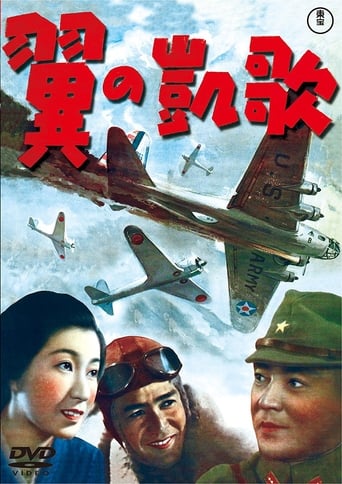
| 1942 | 翼の凱歌 영화 | Assistant Director |
| 1940 | 二人の世界 영화 | Assistant Decorator |
| 1938 | 발굴된 과거 영화 | Producer |
| 1936 | エノケンの千万長者 영화 | Assistant Director |
| 1932 | スポーツ 영화 | Director |