
 6.7
映画
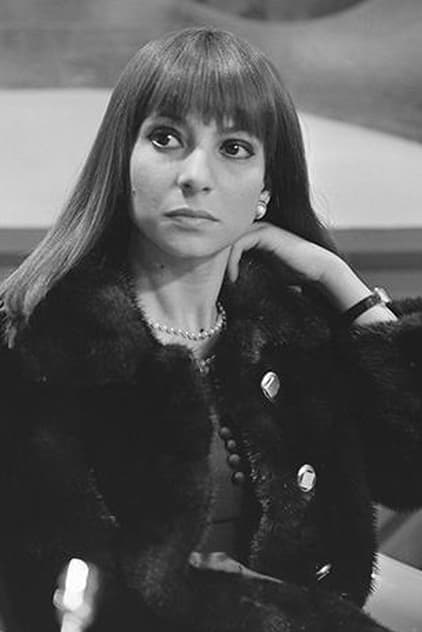
出演
Esther Ofarim
- 生年月日
- (85歳)
- 出身地
- Safed, Israel
- クレジット
- 27作品
経歴
Esther Zaied, better known by her married name Esther Ofarim (Hebrew: אסתר עופרים; born June 13, 1941), is an Israeli singer. She came second in the 1963 Eurovision Song Contest with the song "T'en va pas", representing Switzerland. After marrying Abi Ofarim in 1958, she was half of the husband-and-wife folk duo Esther & Abi Ofarim in the 1960s. After the couple divorced, she undertook a successful solo career.
Esther Zaied was born in Safed to a Syrian Jewish family. She began performing as a child, singing Hebrew and international folk songs. In 1958, Esther met Abi Ofarim, a guitarist and dancer, who she later married. She was a student in his dance studio in Haifa. Esther served four months in the Israeli Army before she was discharged owing to her marriage to Abi.
American director Otto Preminger cast Esther for a small role in the film Exodus (1960). In 1960, Esther landed the role of Katzia in the play The Legend of Three and Four at the Habima Theatre. In 1961, she won first at Israel's first pop song festival in Tel Aviv, where she sang "Saëni Imchá Bemachol" (Take Me with You When You Dance) and "Naamah", written by Pnina and Tsvi Avni, accompanied by Kol Yisrael orchestra under Gary Bertini.
In 1962, Esther released her self-titled debut solo album and was invited to join Frank Sinatra in his performances in Israel. Kol Yisrael radio then sent her to the Sopot International Song Festival in Poland. She came in second place for singing "Stav", written by Moshe Wilensky and Shimshon Halfi.
Esther and Abi settled in Geneva, Switzerland, where she took part in the 1963 Eurovision Song Contest representing Switzerland with the song "T'en va pas". In a very close and controversial competition with the Danish duo Grethe and Jørgen Ingmann, her song placed second. Initially it appeared Switzerland had won the contest with 42 points to Denmark's 40, but after an apparent change to the Norwegian scores, Ofarim ended up with 40 points, as opposed to 42 points for "Dansevise", a reversal of the initial result.
"T'en va pas" was released as single on Philips Records in 1963, reaching No. 39 in Germany.
In 1963, Esther had a starring role in the German film Es war mir ein Vergnügen.
In 1963 and 1964, Esther and Abi had success on the charts in Europe. In the fall of 1964, Esther embarked on a tour of the United States with the Smothers Brothers. Speaking about a performance at Oregon State University in Corvallis, Oregon. Jim Albright, campus correspondent, stated: Everyone expected the Smother Brothers to be great, but Ester [sic] turned out to be fabulous...people were amazed with her singing and her looks."
By 1965, Esther was well known throughout Europe. She headlined in the major concert halls and theaters. She starred in German films and had her own television specials on BBC and Eurovision. ...
Source: Article "Esther Ofarim" from Wikipedia in English, licensed under CC-BY-SA 3.0.
代表作
代表作



出演作品 27
| 公開年 | タイトル | 役割 |
|---|---|---|
| 2026 | אסתר 映画 | Self |
| 2010 | Leonard Cohen: Bird on a Wire 映画 | Self |
| 1983 | Bei Bio TV番組 | Self (1話) |
| 1983 | Leute TV番組 | Self (1話) |
| 1980 | Heut' abend TV番組 | Self (1話) |
| 1978 | Bio’s Bahnhof TV番組 | Self (1話) |
| 1970 | Drei mal neun TV番組 | Self (1話) |
| 1970 | Show an Bord 映画 | Self |
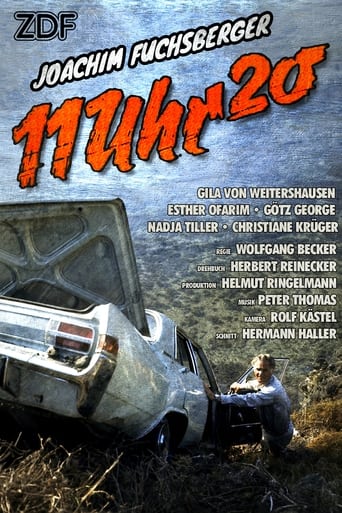
| 1970 | 11 Uhr 20 TV番組 | Miriam (3話) |
| 1969 | Festival der Stars 映画 | Self |
| 1968 | Frost on Sunday TV番組 | Self – Guest (1話) |
| 1966 | Continental Showcase TV番組 | Self (1話) |
| 1965 | Meine Melodie TV番組 | Self (1話) |
| 1964 | Der goldene Schuß TV番組 | Self (1話) |
| 1964 | Einer wird gewinnen TV番組 | Self (1話) |
| 1963 | Es war mir ein Vergnügen 映画 | Nicole |
| 1963 | Tonight in Person TV番組 | Self (1話) |
| 1962 | The Merv Griffin Show TV番組 | Self (1話) |
| 1961 | Musik aus Studio B TV番組 | Self (4話) |
| 1961 | Treffpunkt Telebar TV番組 | Self (1話) |
| 1961 | Hotel Victoria TV番組 | Self (2話) |
| 1960 | 栄光への脱出 映画 | Mrs. Hirschberg |
| 1960 | Brennender Sand 映画 | |
| 1959 | Stars in der Manege TV番組 | Self (1話) |
| 1959 | Discorama TV番組 | Self (2話) |
| 1956 | Eurovision Song Contest TV番組 | Self - Switzerland Contestant (1話) |
| 1955 | Was bin ich? TV番組 | Self (1話) |