
 5.9
فیلم

صداگذاری
Henri Betti
- تاریخ تولد
- درگذشت
- (سن 87)
- محل تولد
- Nice, Alpes-Maritimes, France
- عوامل و بازیگران
- 17 عنوان
زندگینامه
Henri Betti, born Ange Betti (24 July 1917 – 7 July 2005), was a French composer and a pianist.
Pianist and composer of Maurice Chevalier from 1940 to 1945, Henri Betti is best known for composing the music of the songs C'est si bon (lyrics by André Hornez), What Can I Do? (lyrics by Édith Piaf) and The Windmill Song (lyrics by Jacques Plante) that were performed by Yves Montand.
Henri Betti was born at 1 rue Barillerie in the district of Vieux-Nice in a modest family : his father was a house painter and his mother was a fishmonger. His paternal family originates from the region of Emilia-Romagna in Italy: his grandfather was born in Parma and he immigrated to Nice with his wife and children in 1893.
In 1935, he entered at the Conservatoire de Paris which is then directed by Henri Rabaud where he studied music in the same class as Maurice Baquet, Paul Bonneau, Henri Dutilleux and Louiguy. He is the student of Lazare Lévy for piano class and Raymond Pech for harmony class. He won a prize of harmony in 1937.
He then headed for a classical pianist, but in 1940, when he has been discharged from military service of Fortified Sector of the Dauphiné in Briançon, he crosses the Corsican composer Roger Lucchesi on the Promenade des Anglais, who told him that he composed a song for Maurice Chevalier and asked him to accompany him to the piano when he the present him in his property La Louque in Cannes. Maurice Chevalier refuse the song but to ask Henri Betti be his regular accompanist. During the singing tours, he will make him play the Ballade No. 1 in G minor, Op. 23 by Frédéric Chopin between songs. Anxious to renew his repertoire, he also asked him to compose songs. Henri Betti then wrote music forty songs with the lyrics of Maurice Chevalier and Maurice Vandair until 1945 that Notre Espoir and La Chanson du maçon in 1941 or La Fête à Neu-Neu in 1943. Of the fifteen securities singing tour of Maurice Chevalier in 1945, Henri Betti sign fourteen.
He joined the SACEM in 1941 as composer and was appointed Sociétaire définitif in 1949.
After World War II, he knows great success with Le Régiment des mandolines in 1946 and Le Chapeau à plumes in 1947 for Lily Fayol, Mais qu’est-ce que j’ai? in 1947, Maître Pierre and Rien dans les mains, rien dans les poches in 1948 for Yves Montand and especially C'est si bon in 1947 for Jean Marco with Jacques Hélian and his Orchestra. The song is sung by Yves Montand before becoming a standard international jazz with Louis Armstrong, who recorded for the first time in New York in 1950 in the English version of Jerry Seelen.
From 1949 to 1983, his music production is abundant: revues for Le Lido, the Moulin Rouge, the Folies Bergère, the Olympia, the Stardust and the Tropicana in Las Vegas, and many operettas and plays. ...
Source: Article "Henri Betti" from Wikipedia in English, licensed under CC-BY-SA 3.0.
شاخصترین اثر
شناختهشده برای
5.9
فیلم
 6.2
فیلم
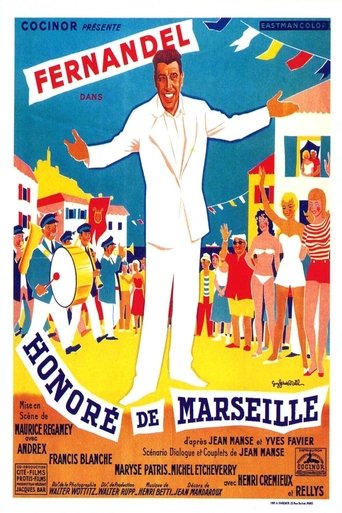
Honoré de Marseille
 6.4
فیلم
Le Portrait de son père
 6.0
فیلم
Cigarettes, whisky et p'tites pépées
 7.0
فیلم
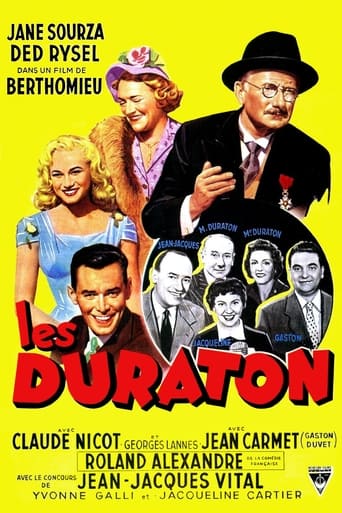
Les Duraton
 6.0
فیلم
Cent Francs par seconde
 5.7
فیلم
Les deux font la paire
 4.3
فیلم
Une fille sur la route
 8.3
فیلم
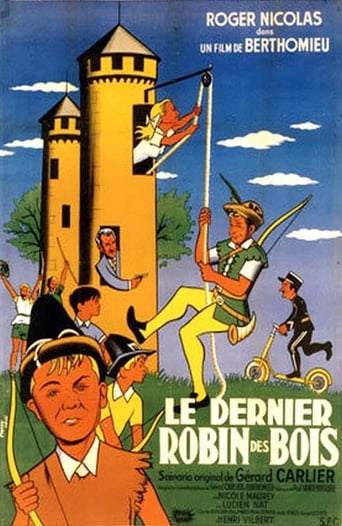
Le Dernier Robin des Bois
 4.5
فیلم
Soyez les bienvenus
 6.0
تلویزیون
Comment ne pas épouser un milliardaire
 8.0
فیلم
Visa pour l'enfer
 10.0
فیلم
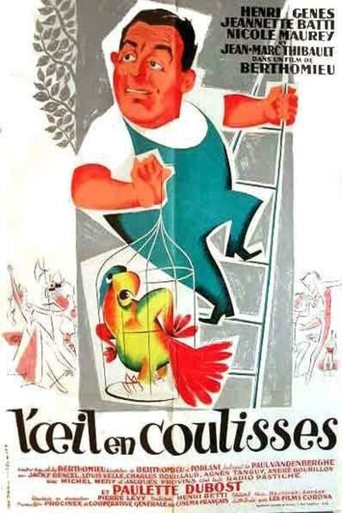
L'oeil en coulisse
 تلویزیون
La Joie de vivre
 فیلم
L'un d'entre vous
کارنامه بازیگری 6
| سال | عنوان | نقش |
|---|---|---|
| 1984 | La Chance aux chansons تلویزیون | Self (3 قسمت) |
| 1959 | Discorama تلویزیون | Self (1 قسمت) |
| 1955 | Les deux font la paire فیلم | Pianist |
| 1953 | L'oeil en coulisse فیلم | The pianist (uncredited) |
| 1953 | Soyez les bienvenus فیلم | Henri Betti (uncredited) |
| 1952 | La Joie de vivre تلویزیون | Self - Performer (1 قسمت) |
دستاندرکاران تولید 14
| سال | عنوان | نقش |
|---|---|---|
| 1966 | Comment ne pas épouser un milliardaire تلویزیون | Music (26 قسمت) |
| 1963 | L'un d'entre vous فیلم | Original Music Composer |
| 1959 | Visa pour l'enfer فیلم | Music |
| 1959 | Cigarettes, whisky et p'tites pépées فیلم | Music |
| 1956 | Honoré de Marseille فیلم | Music |
| 1956 | Les Duraton فیلم | Original Music Composer |
| 1955 | Les deux font la paire فیلم | Music |
| 1954 | New Faces فیلم | Songs |
| 1953 | Le Portrait de son père فیلم | Music |
| 1953 | L'oeil en coulisse فیلم | Original Music Composer |
| 1953 | Soyez les bienvenus فیلم | Music |
| 1953 | Le Dernier Robin des Bois فیلم | Music |
| 1953 | Cent Francs par seconde فیلم | Music |
| 1952 | Une fille sur la route فیلم | Music |