
Interpretación
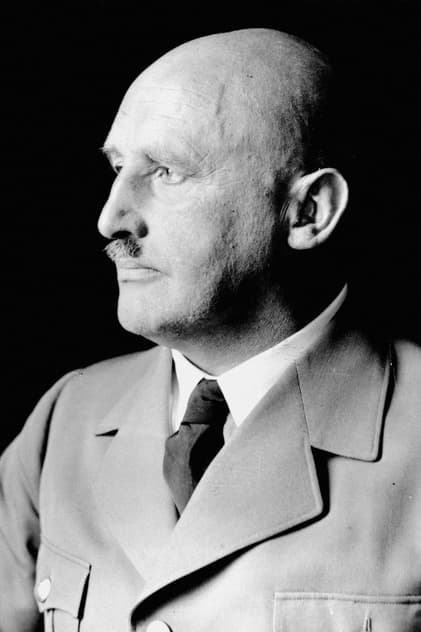
Julius Streicher
- Nacimiento
- Fallecimiento
- (61 años)
- Lugar de nacimiento
- Augsburg, Germany
- Créditos
- 11 títulos
Biografía
Julius Sebastian Streicher (12 February 1885 – 16 October 1946) was a German publicist, politician, and convicted war criminal. A member of the Nazi Party, he served as the Gauleiter (regional leader) of Franconia and a member of the Reichstag, the national legislature. He was the founder and publisher of the virulently antisemitic newspaper Der Stürmer, which became a central element of the Nazi propaganda machine. The publishing firm made Streicher a multimillionaire.
After the war, Streicher was convicted of crimes against humanity during the Nuremberg trials. Specifically, he was found to have continued his vitriolic antisemitic propaganda when he was well aware that Jews were being murdered. For this, he was executed by hanging. Streicher was the first member of the Nazi regime held accountable for inciting genocide by the Nuremberg Tribunal.
Description above from the Wikipedia article Julius Streicher, licensed under CC-BY-SA, full list of contributors on Wikipedia.
Créditos de interpretación 11
| Año | Título | Rol |
|---|---|---|
| 2024 | City of Toys Película | Self (archive footage) |
| 2020 | Leni Riefenstahl – Das Ende eines Mythos Película | Self (archive footage) (uncredited) |
| 2001 | Der Judenhetzer – Julius Streicher und "Der Stürmer" Película | Self |
| 1965 | El fascismo ordinario Película | Self (archive footage) |
| 1956 | Noche y niebla Película | Self (archive footage) (uncredited) |
| 1949 | Distant Journey Película | Self - Politician (archive footage) |
| 1948 | Will It Happen Again? Película | Self (archive footage) |
| 1938 | Olympia 1 - Festival de las naciones Película | Self (uncredited) |
| 1935 | El triunfo de la voluntad Película | Self |
| 1933 | La victoria de la fe Película | Self |
| 1929 | Der Nürnberger Parteitag der Nationalsozialistischen Deutschen Arbeiterpartei Película | Self |