
 7.2
Film
Drehbuch
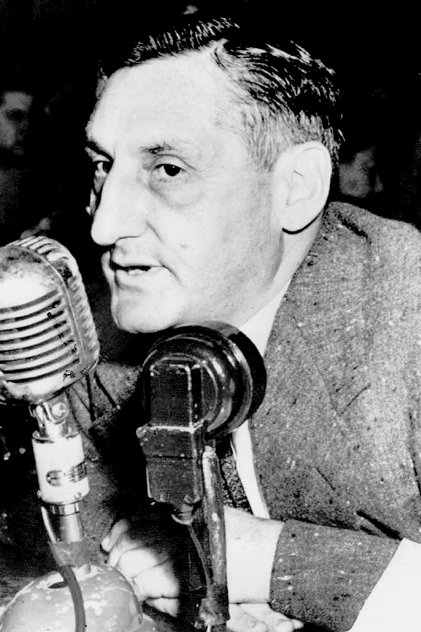
John Howard Lawson
- Geboren
- Gestorben
- (im Alter von 82)
- Geburtsort
- New York City, New York, USA
- Mitwirkende
- 25 Titel
Biografie
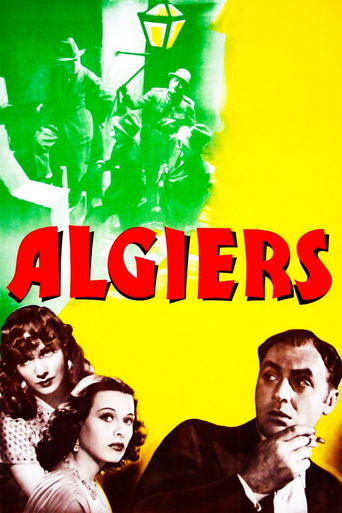
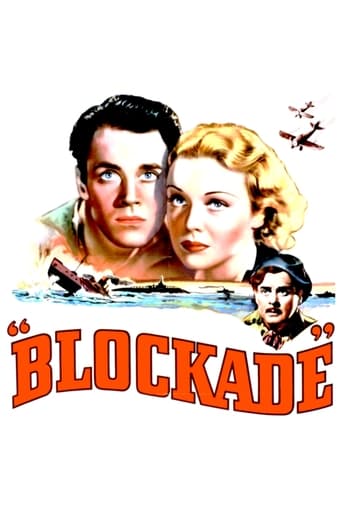
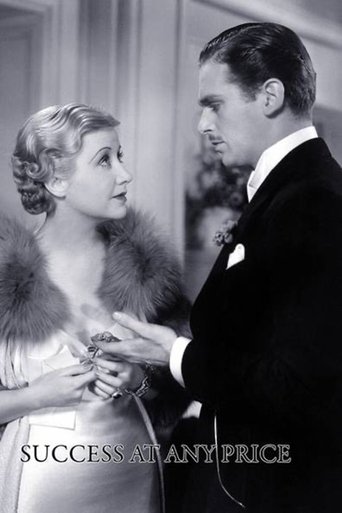
John Howard Lawson (September 25, 1894 – August 11, 1977) was an American writer. He was for several years head of the Hollywood division of the Communist Party USA. He was also the organization's cultural manager and answered directly to V.J. Jerome, the Party's New York-based cultural chief. He was the first president of the Writers Guild of America, West after the Screen Writers Guild divided into two regional organizations. Lawson was one of the Hollywood Ten, the first group of American film industry professionals to be blacklisted during the 1950s McCarthy era. Before going to Hollywood, Lawson wrote several minor pieces before World War I. After the war he wrote a few more pieces and was drawn to European cubist, futurist and constructivist plays. In 1928, Lawson moved to Hollywood where he wrote scripts for films such as The Ship for Shanghai, Bachelor Apartment, and Goodbye Love. In the winter of 1930-1931, it was at this time during the Great Depression that Lawson wrote Success Story. The Theater Guild rejected the script, but Harold Clurman, a reader for them, had recently just formed the Group Theater and needed new scripts. Clurman and Lawson reworked the play during the summer of 1932, and Success Story opened on September 26, 1932 for 121 performances. Lawson would also pen the screenplay based on the play, Success at Any Price in 1934. During the 1930s, leftists accused Lawson of having a lack of ideological and political commitment. New Playwrights Theater associate Mike Gold attacked him in The New Masses on April 10, 1934, calling him a "A Bourgeois Hamlet of Our Time" who wrote adolescent works that lacked moral fiber or clear ideas. Lawson responded a week later in The New Masses in the article "'Inner Conflict' and Proletarian Art" he cited his middle-class childhood as the reason why he could not fully understand the working people. He also recognized that his prosperity and Hollywood connections were suspect in the fight for workers' rights. Due to the criticism, he joined the Communist Party and began a program of educating himself about the proletarian cause. He would soon travel throughout the poverty-stricken South to study bloody labor conflicts in Alabama and Georgia. While in the South, he would submit articles to the Daily Worker, which got him arrested numerous times. These experiences would inspire his next play, Marching Song. It was put on by the radical Theater Union and it opened on February 17, 1937 and ran for sixty-one performances. Lawson, who joined the American Communist Party in 1934, made several films that were political, including Blockade (1938), which starred Henry Fonda. It was a film on the Spanish Civil War for which he received a nomination for the Academy Award for Best Story. Lawson also wrote Counter-Attack (1945), a tribute to the Soviet-USA alliance during the Second World War. He also wrote more innocuous films, such as the critically acclaimed Algiers (1938) and the Humphrey Bogart vehicles Sahara and Action in the North Atlantic in 1943.
Bekanntestes Werk
Bekannt für
7.2
Film
 7.1
Film
Einsatz im Nordatlantik
 6.4
Film
Algiers
 6.3
Film
Smash-Up: The Story of a Woman
 5.6
Film
Our Blushing Brides
 6.3
Film
Cry, the Beloved Country
 6.1
Film
Adventure in Manhattan
 6.4
Film
Dynamit
 5.8
Film
Blockade
 6.4
Film
Counter-Attack
 6.4
Film
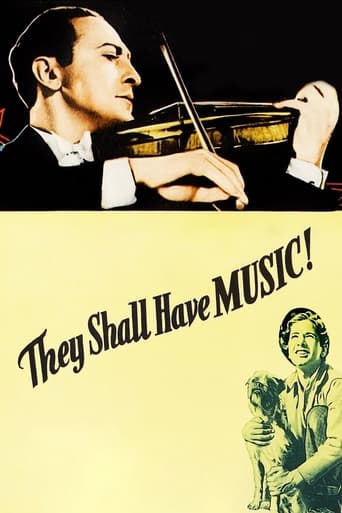
Musik fürs Leben
 4.4
Film
The Sea Bat
 4.1
Film
Success at Any Price
 5.9
Film
Bachelor Apartment
 4.9
Film
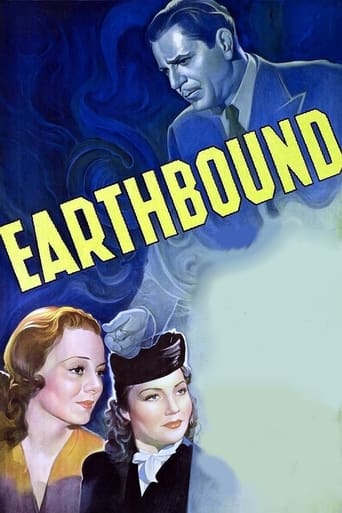
Earthbound
 7.0
Film
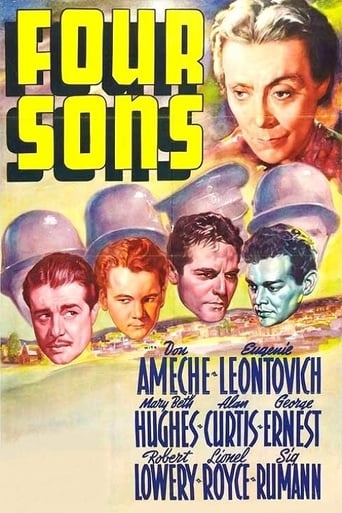
Four Sons
 6.8
Film
The Ship from Shanghai
 5.7
Film
The Careless Years
Schauspielerische Mitwirkung 5
| Jahr | Titel | Rolle |
|---|---|---|
| 2017 | Arthur Miller: Writer Film | Self (archive footage) |
| 2014 | Marlon Brando - Der Harte und der Zarte Film | Self - Screenwriter (archive footage) |
| 2001 | The Majestic Film | Self (Hollywood Ten, testifies) (archive footage) (uncredited) |
| 1996 | Red Hollywood Film | Himself (archive footage) |
| 1950 | The Hollywood Ten Film | Self |
Filmstab 20
| Jahr | Titel | Tätigkeit |
|---|---|---|
| 1957 | The Careless Years Film | Screenplay |
| 1951 | Cry, the Beloved Country Film | Writer |
| 1947 | Smash-Up: The Story of a Woman Film | Screenplay |
| 1945 | Counter-Attack Film | Screenplay |
| 1943 | Sahara Film | Screenplay |
| 1943 | Einsatz im Nordatlantik Film | Screenplay |
| 1940 | Four Sons Film | Screenplay |
| 1940 | Earthbound Film | Writer |
| 1939 | Musik fürs Leben Film | Screenplay |
| 1938 | Blockade Film | Writer |
| 1938 | Algiers Film | Screenplay |
| 1936 | Adventure in Manhattan Film | Adaptation |
| 1935 | Party Wire Film | Screenplay |
| 1934 | Success at Any Price Film | Theatre Play, Screenplay |
| 1933 | Good-bye Love Film | Writer |
| 1931 | Bachelor Apartment Film | Writer |
| 1930 | Our Blushing Brides Film | Dialogue, Writer |
| 1930 | The Sea Bat Film | Writer |
| 1930 | The Ship from Shanghai Film | Screenplay |
| 1929 | Dynamit Film | Dialogue |