
 8.1
Film

Drehbuch
Philip G. Epstein
- Geboren
- Gestorben
- (im Alter von 42)
- Geburtsort
- New York City, New York, USA
- Mitwirkende
- 30 Titel
Biografie
From Wikipedia, the free encyclopedia. Philip G. Epstein (August 22, 1909 – February 7, 1952) was an American screenwriter most known for his adaptation in partnership with his twin brother, Julius, and others, of the unproduced play Everybody Comes to Rick's which became the Academy Award-winning screenplay of the film Casablanca (1942).
Epstein was born in New York City and raised on the Lower East Side of Manhattan. His father was a livery stable owner in the days when horses were still common on the streets of the city. He attended Pennsylvania State College (now Penn State University), gaining his degree in 1931.
Jack Warner, head of Warner Brothers, had a love-hate relationship with the Epstein brothers. He could not argue with their commercial success, but he deplored their pranks, their work habits and the hours they kept. In 1952, Warner gave the brothers' names to the House Un-American Activities Committee (HUAC). They never testified before the committee, but on a HUAC questionairre, when asked if they ever were members of a "subversive organization," they wrote-in, "Yes. Warner Brothers."
Epstein died of cancer in Hollywood, California in 1952 at the age of 42.
His son Leslie Epstein directs the creative writing program at Boston University and is an accomplished novelist. His grandson Theo Epstein is the general manager of the Boston Red Sox. His granddaughter Anya Epstein is a screenwriter.
Description above from the Wikipedia article Philip G. Epstein, licensed under CC-BY-SA,full list of contributors on Wikipedia.
Bekanntestes Werk
Bekannt für
8.1
Film
 7.6
Film
Arsen und Spitzenhäubchen
 7.1
Film
Der Mann, der zum Essen kam
 6.8
Film
Das Leben der Mrs. Skeffington
 6.9
Film
Schönste der Stadt
 6.1
Film
Damals in Paris
 6.5
Film
Die Brüder Karamasow
 6.4
Film
The Mad Miss Manton
 6.9
Film
Die Braut kam per Nachnahme
 6.8
Film
Zaubernächte in Rio
 6.6
Film
Angst vor der Schande
 7.0
Film
Why We Fight: Divide and Conquer
 6.9
Film
Die pikanten Jahre einer Frau
 5.4
Film
The Bride Walks Out
 5.3
Film
Take Care of My Little Girl
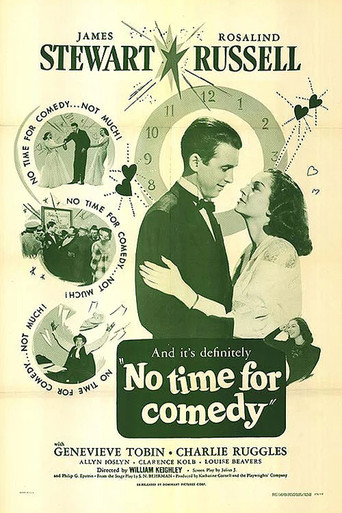 5.4
Film
Keine Zeit für Komödie
 4.7
Film
Thema: Der Mann
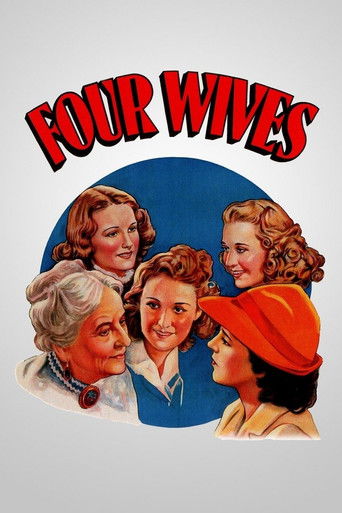 5.5
Film
Four Wives
Filmstab 30
| Jahr | Titel | Tätigkeit |
|---|---|---|
| 2025 | Scenes from Casablanca Film | Writer |
| 2000 | Why We Fight: World War II: The Battle of China / War Comes to America Film | Writer |
| 1958 | Die Brüder Karamasow Film | Screenplay |
| 1954 | Damals in Paris Film | Screenplay |
| 1953 | Die pikanten Jahre einer Frau Film | Screenplay |
| 1951 | Take Care of My Little Girl Film | Screenplay |
| 1950 | Angst vor der Schande Film | Writer |
| 1949 | Chicken Every Sunday Film | Theatre Play |
| 1948 | Zaubernächte in Rio Film | Screenplay |
| 1944 | Arsen und Spitzenhäubchen Film | Screenplay |
| 1944 | Das Leben der Mrs. Skeffington Film | Screenplay, Producer |
| 1943 | Casablanca Film | Screenplay |
| 1943 | Why We Fight: Divide and Conquer Film | Writer |
| 1942 | Thema: Der Mann Film | Screenplay |
| 1941 | Der Mann, der zum Essen kam Film | Screenplay |
| 1941 | Die Braut kam per Nachnahme Film | Screenplay |
| 1941 | Schönste der Stadt Film | Screenplay |
| 1941 | Honeymoon for Three Film | Additional Dialogue |
| 1940 | Keine Zeit für Komödie Film | Screenplay |
| 1940 | Saturday's Children Film | Screenplay |
| 1939 | Four Wives Film | Screenplay |
| 1939 | Vier Töchter räumen auf Film | Writer |
| 1938 | There's That Woman Again Film | Writer |
| 1938 | The Mad Miss Manton Film | Screenplay |
| 1937 | New Faces of 1937 Film | Screenplay |
| 1937 | China Passage Film | Writer |
| 1936 | Mummy's Boys Film | Screenplay |
| 1936 | Grand Jury Film | Screenplay |
| 1936 | The Bride Walks Out Film | Screenplay |
| 1936 | Love on a Bet Film | Screenplay |