
 7.1
Ταινία
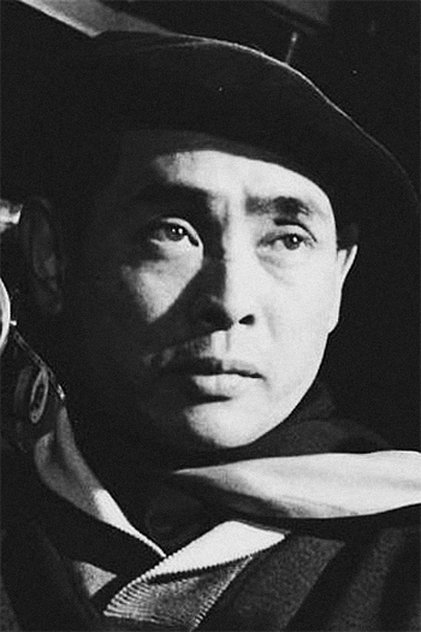
Σκηνοθεσία
木下惠介
- Γεννήθηκε
- Απεβίωσε
- (ηλικίας 86)
- Τόπος γέννησης
- Shizuoka, Japan
- Συντελεστές
- 87 τίτλοι
Βιογραφία
Keisuke Kinoshita (木下 惠介, Kinoshita Keisuke, December 5, 1912 – December 30, 1998) was a Japanese film director.
Hugely popular in his home country of Japan, Keisuke Kinoshita worked tirelessly as a director for nearly half a century, making lyrical, sentimental films that often center on the inherent goodness of people, especially in times of distress. He began his directing career during a most challenging time for Japanese cinema: World War II, when the industry’s output was closely monitored by the state and often had to be purely propagandistic. He refused to be bound by genre, technique, or dogma. Kinoshita excelled in almost every genre: comedy, tragedy, social dramas, period films. He shot all films on location or in a one-house set. He pursued severe photographic realism with the long take, long-shot method, and went equally far toward stylization with fast cutting, intricate wipes, tilted cameras, and even classical scroll-painting and Kabuki stage technique.
Kinoshita was highly prolific, turning out some 42 films in the first 23 years of his career. For this, Kinoshita explained that he "can’t help it. Ideas for films have always just popped into my head like scraps of paper into a wastebasket." While lesser-known internationally than contemporaries such as Akira Kurosawa, Kenji Mizoguchi and Yasujirō Ozu, he was a household figure in his home country, beloved by both critics and audiences from the 1940s to the 1960s.
Although few concrete details have emerged about Kinoshita's personal life, his homosexuality was widely known in the film world. Screenwriter and frequent collaborator Yoshio Shirasaka recalls the "brilliant scene" Kinoshita made with the handsome, well-dressed assistant directors he surrounded himself with. His 1959 film Farewell to Spring (Sekishuncho) has been called "Japan's first gay film" for the emotional intensity depicted between its male characters.
Kinoshita received the Order of the Rising Sun in 1984 and was awarded the Order of Culture in 1991 by the Japanese government. He died on December 30, 1998, of a stroke. His grave is in Engaku-ji in Kamakura, very near to that of his fellow Shochiku director, Yasujirō Ozu.
Σημαντικότερα έργα
Γνωστός για
7.1
Ταινία
 7.7
Ταινία
Twenty-Four Eyes
 7.6
Ταινία
Η μπαλάντα του Ναραγιάμα
 7.2
Ταινία
恋文
 6.3
Ταινία
カルメン故郷に帰る
 7.4
Ταινία
永遠の人
 5.8
Ταινία
日本の悲劇
 7.0
Ταινία
野菊の如き君なりき
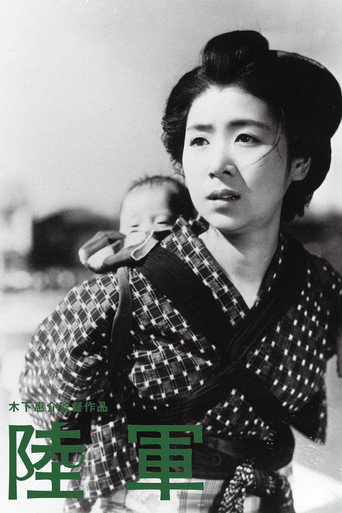 6.8
Ταινία
陸軍
 7.0
Ταινία
死闘の伝説
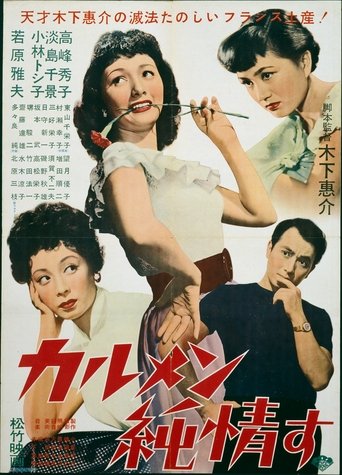 5.2
Ταινία
カルメン純情す
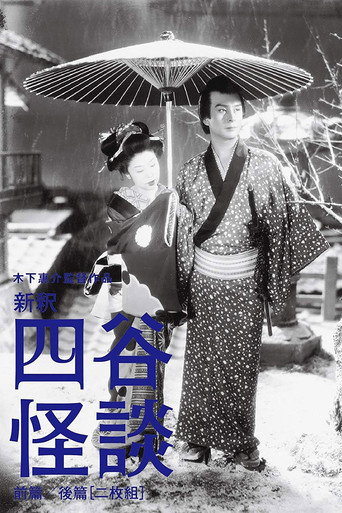 6.6
Ταινία
新釈四谷怪談 前篇
6.6
Ταινία
新釈四谷怪談 後篇
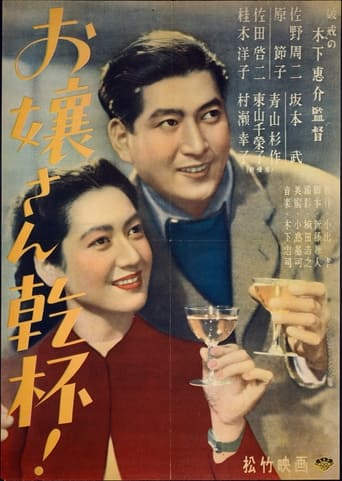 6.8
Ταινία
お嬢さん乾杯!
 7.7
Ταινία
笛吹川
 6.9
Ταινία
少年期
 6.6
Ταινία
婚約指輪
 7.0
Ταινία
花咲く港
Συμμετοχές ως ηθοποιός 2
| Έτος | Τίτλος | Ρόλος |
|---|---|---|
| 1983 | 生きてはみたけれど・小津安二郎伝 Ταινία | Self |
| 1954 | Twenty-Four Eyes Ταινία | (uncredited) |
Συντελεστές συνεργείου 86
| Έτος | Τίτλος | Αρμοδιότητα |
|---|---|---|
| 2024 | カルメン故郷に帰る Ταινία | Original Story |
| 2000 | どら平太 Ταινία | Screenplay |
| 1988 | 父 Ταινία | Writer, Director |
| 1987 | 二十四の瞳 Ταινία | Screenplay |
| 1986 | 新・喜びも悲しみも幾歳月 Ταινία | Writer, Director |
| 1983 | Τα Παιδιά του Ναγκασάκι Ταινία | Original Story, Writer, Director |
| 1980 | 父よ母よ! Ταινία | Director, Writer |
| 1979 | 衝動殺人 息子よ Ταινία | Director, Screenplay |
| 1979 | 日本名作童話シリーズ 赤い鳥のこころ Τηλεόραση | Creator |
| 1976 | スリランカの愛と別れ Ταινία | Director, Writer |
| 1974 | わが子は他人 Τηλεόραση | Creator, Director (26 επ.) |
| 1973 | 思い橋 Τηλεόραση | Creator |
| 1972 | 幸福相談 Τηλεόραση | Producer, Creator (2 επ.) |
| 1971 | 太陽の涙 Τηλεόραση | Writer, Creator (2 επ.) |
| 1971 | たんとんとん Τηλεόραση | Director, Producer, Creator (26 επ.) |
| 1970 | 二人の世界 Τηλεόραση | Director, Producer, Creator (26 επ.) |
| 1970 | Η Γειτονιά των Καταφρονεμένων Ταινία | Executive Producer |
| 1970 | 俄 −浪華遊侠伝− Τηλεόραση | Producer (13 επ.) |
| 1970 | あしたからの恋 Τηλεόραση | Director, Creator (32 επ.) |
| 1969 | 兄弟 Τηλεόραση | Director, Creator (26 επ.) |
| 1968 | 3人家族 Τηλεόραση | Creator |
| 1968 | おやじ太鼓 Τηλεόραση | Writer, Creator (65 επ.) |
| 1967 | 父子草 Ταινία | Screenplay |
| 1967 | なつかしき笛や太鼓 Ταινία | Director, Screenplay, Producer |
| 1967 | 今年の恋 Τηλεόραση | Original Story, Creator (8 επ.) |
| 1966 | あこがれ Ταινία | Original Story |
| 1966 | 野菊のごとき君なりき Ταινία | Adaptation |
| 1965 | 妻の日の愛のかたみに Ταινία | Writer |
| 1964 | 木下惠介アワー Τηλεόραση | Creator |
| 1964 | 香華 Ταινία | Producer, Writer, Director |
| 1963 | 死闘の伝説 Ταινία | Director, Producer, Screenplay |
| 1963 | 歌え若人達 Ταινία | Director, Executive Producer |
| 1962 | しろばんば Ταινία | Screenplay |
| 1962 | 二人で歩いた幾春秋 Ταινία | Producer, Screenplay, Director |
| 1962 | 霧子の運命 Ταινία | Screenplay |
| 1962 | 流し雛 Ταινία | Screenplay |
| 1962 | 今年の恋 Ταινία | Director, Writer |
| 1961 | 永遠の人 Ταινία | Director, Producer, Screenplay |
| 1961 | かあちゃんしぐのいやだ Ταινία | Screenplay |
| 1960 | 笛吹川 Ταινία | Screenplay, Director, Producer |
| 1960 | 春の夢 Ταινία | Director, Screenplay |
| 1959 | 今日もまたかくてありなん Ταινία | Director, Screenplay |
| 1959 | 惜春鳥 Ταινία | Director, Screenplay |
| 1959 | 風花 Ταινία | Director, Screenplay |
| 1958 | この天の虹 Ταινία | Writer, Director |
| 1958 | Η μπαλάντα του Ναραγιάμα Ταινία | Director, Screenplay |
| 1957 | 風前の灯 Ταινία | Director, Screenplay |
| 1957 | 㐂びも悲しみも幾歳月 Ταινία | Writer, Director |
| 1956 | 太陽とバラ Ταινία | Director, Screenplay |
| 1956 | 夕やけ雲 Ταινία | Director |
| 1956 | 愛と智恵の輪 Ταινία | Screenplay |
| 1955 | 野菊の如き君なりき Ταινία | Director, Screenplay |
| 1955 | お勝手の花嫁 Ταινία | Screenplay |
| 1955 | 遠い雲 Ταινία | Director, Screenplay |
| 1954 | Twenty-Four Eyes Ταινία | Director, Screenplay |
| 1954 | 女の園 Ταινία | Director, Screenplay |
| 1953 | 恋文 Ταινία | Screenplay |
| 1953 | 日本の悲劇 Ταινία | Screenplay, Director |
| 1953 | まごころ Ταινία | Screenplay |
| 1952 | カルメン純情す Ταινία | Director, Screenplay |